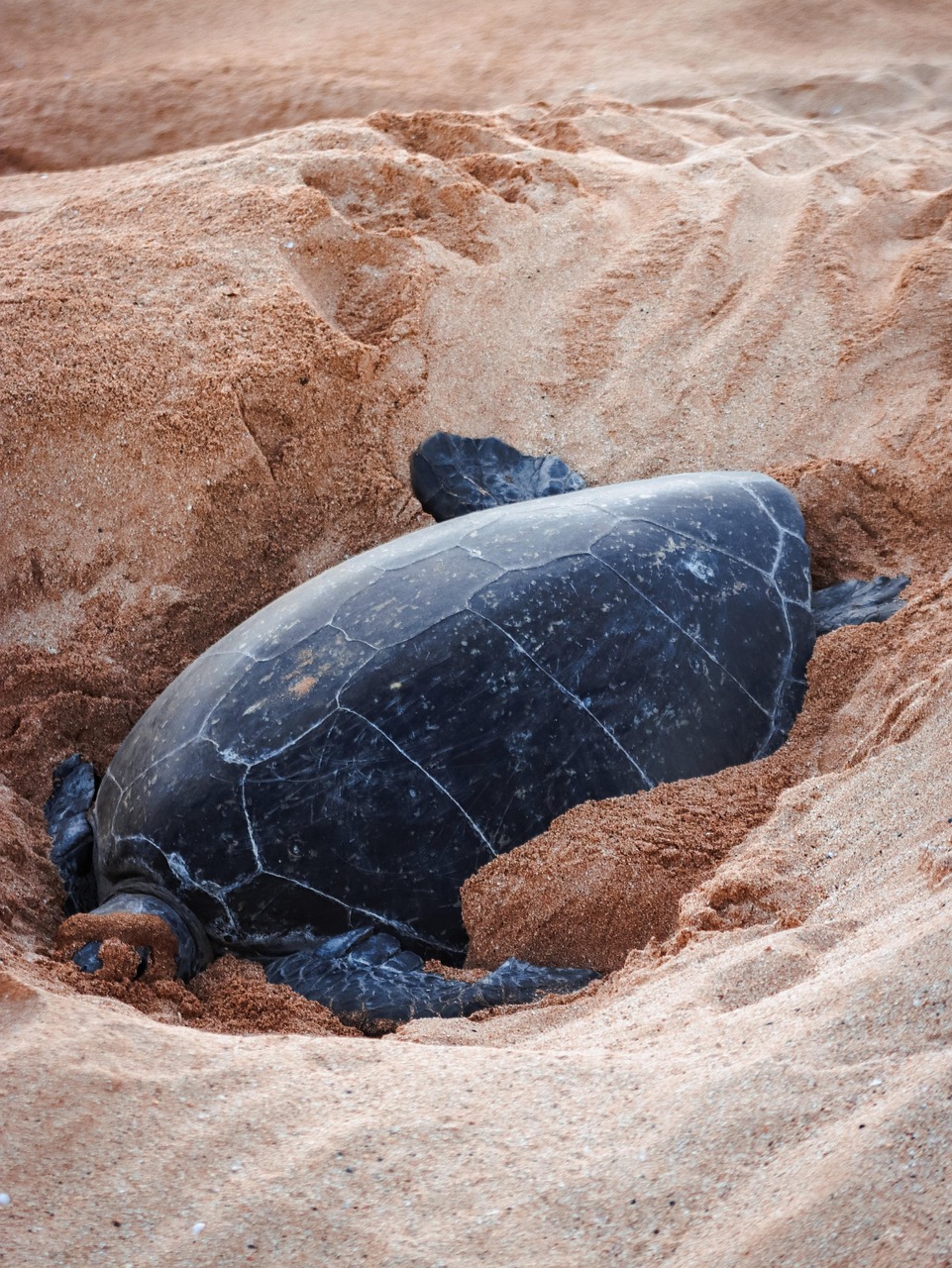
It's almost midnight on Hòn Bảy Cạnh island. The moonlight barely touches the sand, a park ranger raises a hand for silence, and a few metres away a green sea turtle weighing over 100 kg is slowly hauling herself out of the water to dig her nest. Few travellers in Vietnam ever get to witness this. Yet every summer, on the Côn Đảo archipelago, it happens hundreds of times over. Here's how to experience it yourself, at the right time of year and without disturbing these protected animals.
Côn Đảo, Vietnam's sea turtle sanctuary
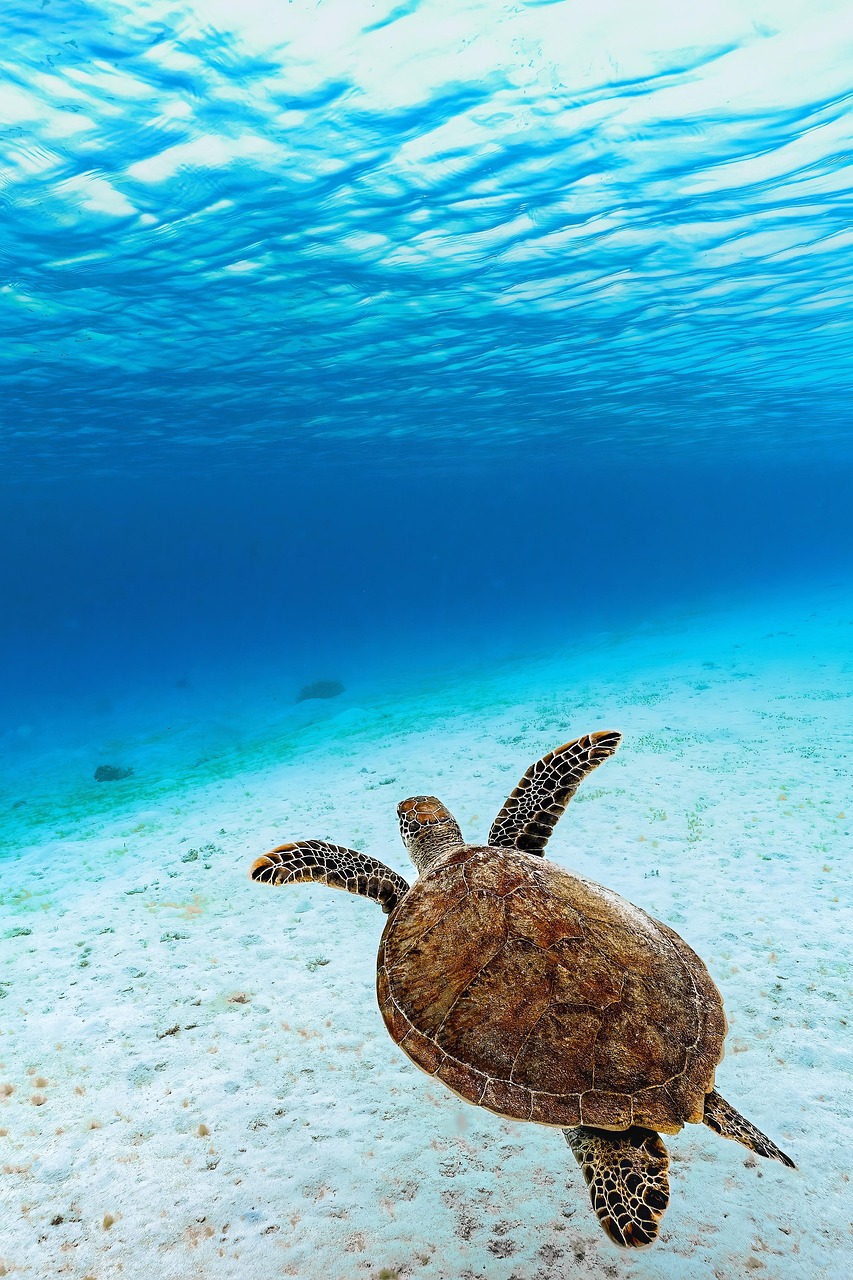
Lying about fifty kilometres off the coast of Bà Rịa - Vũng Tàu province, the Côn Đảo archipelago is made up of 16 islands and islets, almost all protected within Côn Đảo National Park. Long known for its history as a French colonial-era prison, the archipelago is now famous for something else entirely: it's Vietnam's most important sea turtle nesting site, and one of the few places in Southeast Asia where the green sea turtle (Chelonia mydas) population is actually growing, thanks to decades of conservation work.
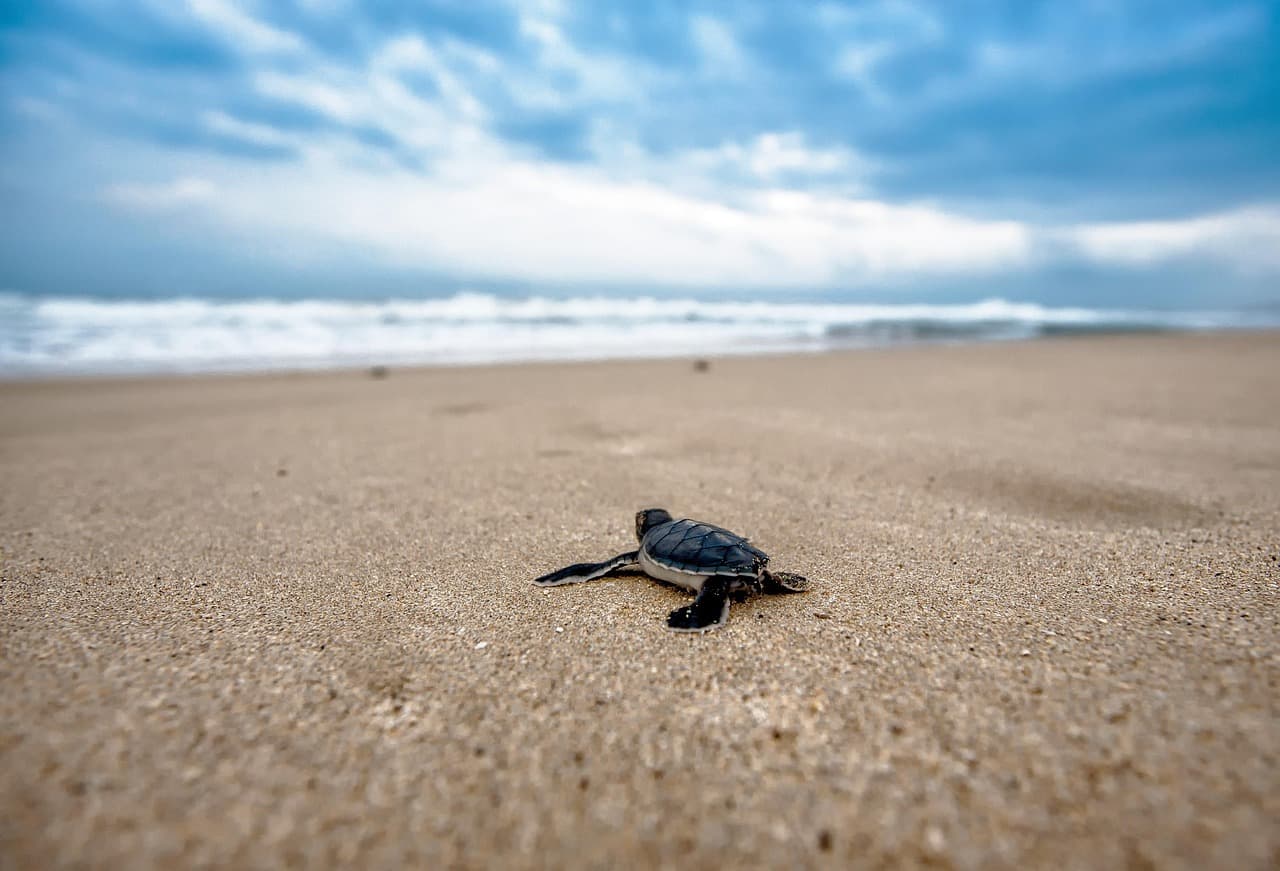
Each year, several hundred female turtles return to lay their eggs on the fine sand beaches of Bảy Cạnh, Cau, Tre Lớn and Tài islets, under the watch of national park rangers. Eggs are counted, protected, and sometimes moved to secure hatcheries before the hatchlings are released toward the sea at dawn. It's this double experience — watching a nesting at night, and sometimes a hatchling release the following morning — that draws a growing number of travellers each season.
When to go: nesting season runs from May to October
Turtle nesting season at Côn Đảo runs broadly from May to October, with peak activity between June and September. If you're reading this in July, you're right in the middle of that window — the number of females coming ashore each night is at its highest, and your chances of witnessing a nesting, or a hatchling release, are at their best.
Outside this window, the archipelago is still worth visiting (the dry months from November to April bring calmer seas, ideal for diving), but the turtle experience itself becomes unlikely, and in some years simply won't happen.
"💬 VietNomads field tip
Book your turtle-watching trip as soon as you arrive in Côn Đảo — ideally 2 to 3 days ahead during peak season (July-August). Spots are deliberately limited to a handful of visitors per night per island to avoid disturbing the turtles, and July-August also sees strong demand from domestic Vietnamese travellers on top of international visitors.
How to experience it: the National Park and Bảy Cạnh island
Unlike most tourist activities in Vietnam, turtle watching at Côn Đảo isn't run by private tour agencies — it's managed exclusively by Côn Đảo National Park (Vườn Quốc gia Côn Đảo), which issues permits and provides the accompanying rangers. This is a strictly protected area, and that's exactly what keeps the experience authentic and uncrowded, unlike some more commercialised nesting sites elsewhere in Asia.
The most popular trip takes place on the islet of Hòn Bảy Cạnh, roughly 20 to 40 minutes by boat from Côn Sơn, the archipelago's main town. You can book a simple night trip (a few hours, returning the same evening) or an overnight package staying at a small, basic park lodge on the island — the latter improves your odds of catching both an evening nesting and a morning hatchling release.
Budget around 60,000 VND for the national park entrance fee, then 350,000 to 600,000 VND per person for the night-watching trip (a reduced rate usually applies if no turtle shows up during your visit), plus around 50,000 VND if a hatchling release is possible the next morning. Groups are deliberately kept small, usually no more than 5-6 visitors per ranger.
A night on Hòn Bảy Cạnh: what the trip actually looks like
In practice, the trip starts in the late afternoon with a boat crossing from Côn Sơn. Once on the islet, rangers brief the group on the rules of observation and sometimes lead a short walk through the surrounding mangrove, where you might spot crabs and seabirds before nightfall.
The real waiting game begins after that: female turtles typically come ashore with the high tide, between 8pm and midnight, sometimes later. Rangers scan the beach for the tell-tale tracks of a turtle emerging from the water, then guide the small group to a respectful distance to watch, in silence and without direct light, as the female digs her nest, lays around a hundred eggs, and covers them with sand before heading back out to sea. The following morning, if a nest happens to hatch that day, visitors sometimes get to help release the freshly hatched baby turtles into the sea — an equally memorable moment, and a genuine boost for hatchlings that very rarely survive to adulthood on their own.
Getting to Côn Đảo: by air or by sea
There are two main ways to reach the archipelago. By plane, flights take 45 to 50 minutes from Ho Chi Minh City or Cần Thơ, typically costing between 1,800,000 and 3,000,000 VND one way — the fastest and most comfortable option, especially recommended if your trip is short.
By boat, there are two departure points from the mainland: Vũng Tàu (around 2 to 2.5 hours) and Trần Đề, in Sóc Trăng province (usually the cheaper option). Expect to pay between 790,000 and 1,200,000 VND depending on class and schedule. This is a good choice if you're already travelling through the Mekong Delta or would rather skip flying.
As for where to stay, the small town of Côn Sơn holds nearly all the archipelago's accommodation, from simple guesthouses to upscale resorts. Book somewhere close to the harbour if you can — it makes organising your evening turtle trip much easier, especially if you get back late after the observation.
Practical tips for a good, respectful experience
This experience is first and foremost an encounter with a protected, vulnerable species, and a few simple rules go a long way. Never use your camera or phone flash near a turtle — bright light can disorient her and stop her from nesting or finding her way back to the sea. Keep a torch covered with a red filter if you need light, always follow the distances set by the rangers, and never touch an adult turtle or a hatchling, even to help — their sense of smell guides them to the sea, and human handling can throw that off.
On the practical side, pack light but covering clothing for evening mosquitoes, sturdy closed shoes for walking on sand and sometimes through mangrove, and a light jacket or windbreaker — nights on the water can be cooler than expected. Finally, book directly through the national park or through a Côn Sơn guesthouse that can act as a go-between, rather than through third-party platforms that don't always guarantee an official spot.
Keep in mind, too, that nesting season overlaps with the rainy season in southern Vietnam: expect short, usually brief late-afternoon showers, and occasionally choppier seas on the boat crossing. Nothing dramatic, but a waterproof pouch for your phone and camera is a smart addition to your bag.
What else to do on Côn Đảo during your stay
Beyond the turtles, Côn Đảo is well worth a 2 to 4-day stay on its own. The former Côn Đảo prison, with its cells and the sombre "Hàng Dương Cemetery", tells an important and moving chapter of Vietnamese history. The beaches at Đầm Trầu or An Hải rank among the country's most beautiful and peaceful, and the waters around the archipelago offer excellent snorkelling and diving over still well-preserved coral reefs, especially outside the rainy season. The generally calm, low-key atmosphere — a world away from Phú Quốc or Nha Trang — makes it a destination apart for travellers seeking a wilder, more authentic side of Vietnam.
Whether the turtles are the main reason for your trip or a discovery you make along the way, Côn Đảo captures what Vietnam does best: protected nature, an unhurried pace, and encounters you only plan once in a lifetime. If you're planning a trip to southern Vietnam this summer, this is a stop we at VietNomads strongly recommend considering — especially if you're travelling in July, August, or September.