Vietnam has entered the age of QR code payments
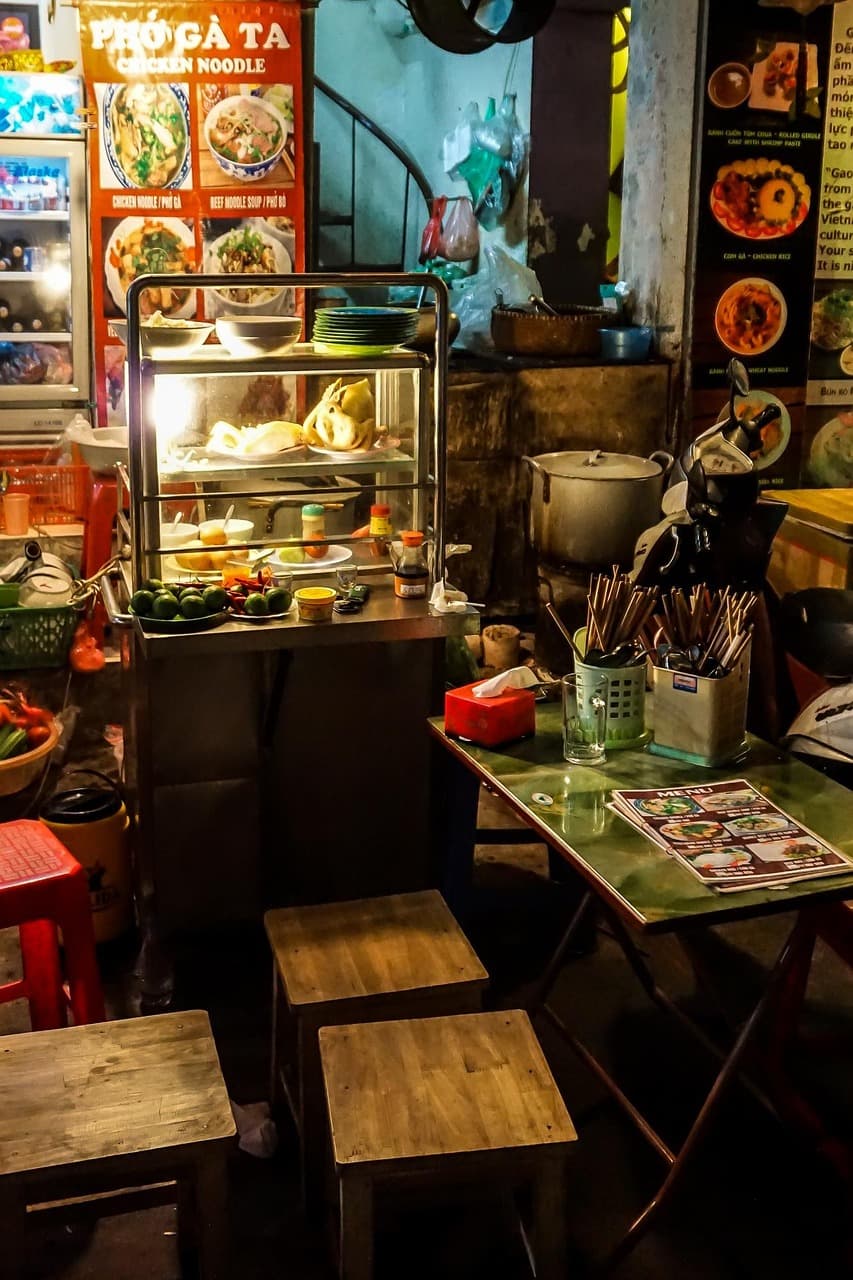
A few years ago, traveling to Vietnam meant setting off with a thick wad of dong tucked into your bag. In 2026, that has changed: more than half of everyday transactions in Vietnam now go through a simple QR code scanned with a smartphone. From market stalls to street restaurants, and even motorbike-taxi drivers, almost everyone now displays a small black-and-white square next to the till.
For a traveler, this shift is good news: payments are faster and more transparent (no more fumbling for change), but it also means rethinking how you prepare your travel budget. Cash, bank card, mobile app: here's how to make sense of it all and pay with confidence anywhere in Vietnam, from Hanoi to Ho Chi Minh City.
Do you still need cash in Vietnam?
Yes, absolutely, and it would be a mistake to leave without some cash in your pocket. Despite the rise of digital payments, many situations remain cash-only: local markets and street vendors, unofficial taxis, paid public restrooms, bike or motorbike parking, and tips you'd rather hand over discreetly.
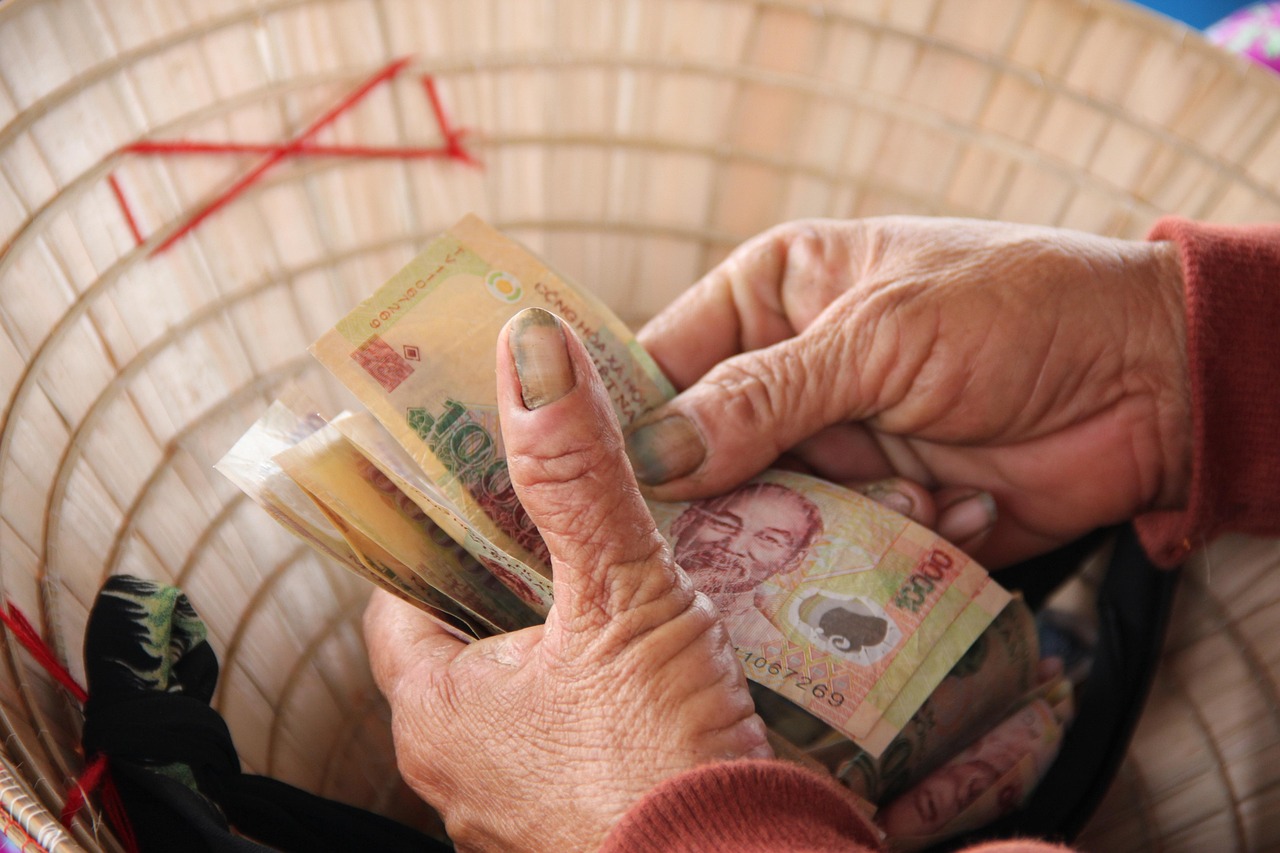
In rural areas, mountain villages in the north, or less touristy islands, the internet connection can also be too weak to validate a QR payment, making cash essential. The golden rule: always carry the equivalent of 500,000 to 1,000,000 VND in small notes (10,000, 20,000, 50,000 and 100,000 VND) for daily expenses, alongside a digital payment method for everything else.
Exchanging currency for dong: where to get the best rate
If you'd rather arrive with some cash already exchanged, avoid currency exchange counters in the most touristy areas and at the airport as much as possible: rates there are usually noticeably worse than elsewhere in the city. In practice, there's no need to exchange money before departure: gold-shop money changers (often recognizable by their golden storefronts, very common in Hanoi's Old Quarter or on Ha Trung Street in Ho Chi Minh City) generally offer the best rates in the country, with no hidden commission, as long as you compare two or three places before choosing.
A simple tip: keep your foreign banknotes in good condition, without excessive folds or markings, as some money changers refuse damaged notes or apply a less favorable rate for small denominations.
Withdrawing cash: ATMs and bank fees
ATMs are everywhere in major cities and most tourist areas, and generally accept international Visa and Mastercard cards. Vietnamese banks such as Vietcombank, BIDV, Techcombank or Sacombank have reliable networks and are recommended over standalone ATMs tucked inside night shops, which tend to be less well maintained.
Two fees typically apply to each withdrawal: a flat fee charged by the Vietnamese bank (often between 50,000 and 100,000 VND) and your own bank's foreign withdrawal fee back home. Good news on the first one: VPBank and ACB are the only two Vietnamese banks that don't charge foreign cards any withdrawal fee at all — only your home bank's own foreign transaction fee still applies. The maximum amount per withdrawal is also limited, generally between 2,000,000 and 5,000,000 VND depending on the bank (up to 10,000,000 VND at VPBank), which may require several withdrawals in a row for larger sums.
"💬 VietNomads field tip
Before withdrawing, the ATM will often ask you to choose between paying "with conversion" (in your home currency) or "without conversion" (in VND). Always choose the VND option: the conversion offered directly by the ATM (known as DCC, Dynamic Currency Conversion) almost always applies a significantly worse exchange rate than your own bank would. The ATM may also ask which account type to withdraw from: always select "Savings" rather than "Checking" or "Default" — that's the option that works with foreign cards.
Paying by card: what works, and what doesn't
Hotels, mid-range and upscale restaurants, major retail chains, airlines and travel agencies all accept Visa and Mastercard without issue. Some establishments add a surcharge of 2 to 3% for card payments, so it's worth checking before you pay.
On the other hand, in small family-run restaurants, neighborhood cafés, markets and with most craftspeople, a traditional bank card simply isn't an option. This is exactly where QR code payments have taken over.
VietQR, MoMo, ZaloPay: the everyday habit in Vietnam
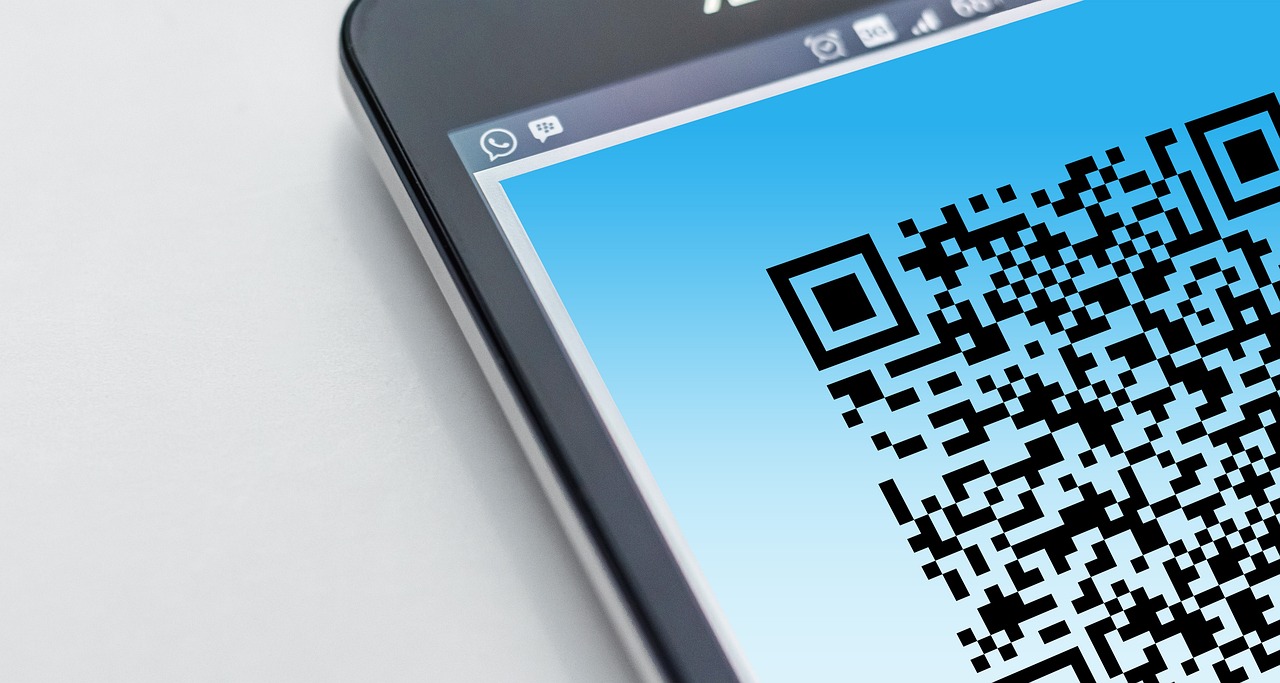
QR code payment, or VietQR, works like an instant bank transfer: the customer scans the code displayed by the seller using a banking app or an e-wallet such as MoMo, ZaloPay or VNPAY, confirms the amount, and the payment is completed within seconds. It's now the preferred way for Vietnamese people to pay for absolutely everything, from morning coffee to a motorbike-taxi ride.
For foreign visitors, several options exist to tap into this system. The VNPAY app, designed with international tourists in mind, lets you create an account with just an international phone number and a passport, then top up the account with a bank card so you can scan QR codes just like a local. Moca, the e-wallet built into the Grab app, is another convenient option if you're already using Grab for rides: it lets you scan VietQR codes directly from the app, with no extra setup. Moreta Pay is another app built specifically for foreign travelers: it lets you scan local QR codes (VietQR/Napas) directly with a US, EU or UK bank card, without opening a Vietnamese account — handy if you're also traveling elsewhere in Asia, since the app works in countries like Thailand and Cambodia too. Some travel cards and international wallets (see below) also let you scan VietQR codes directly without creating a Vietnamese account.
"💬 VietNomads field tip
Before scanning a QR code, always check that the recipient's name shown on screen actually matches the business you're standing in (the restaurant, the vendor, or their manager). If the name looks wrong or unfamiliar, cancel and pay in cash instead: it's better to lose thirty seconds than to send a payment to the wrong account.
Travel cards like Wise or Revolut: the easiest option for foreign travelers
For most travelers, the most comfortable solution remains carrying an international payment card with no foreign fees, such as Wise, Revolut, or an equivalent card from an online bank. These cards let you withdraw cash and pay by card at a rate close to the real exchange rate, without the sometimes-steep fees traditional banks charge for payments abroad.
The ideal setup is to combine this kind of card with a bit of cash in dong and, if you're traveling for several weeks or spending time away from tourist areas, a local QR payment app such as VNPAY. This combination covers almost every situation, from hotels in Hanoi to the floating markets of the Mekong Delta.
Tipping and daily budget
Tipping isn't a cultural obligation in Vietnam the way it can be elsewhere, but it's becoming more common and is always appreciated in places frequented by tourists: guides and drivers on tours (count on roughly 50,000 to 100,000 VND per day per person), housekeeping staff, or servers in restaurants where service isn't already included. It's usually given in cash, slipped over discreetly rather than left openly on the table. One etiquette point worth knowing: avoid tipping with very small denomination notes (500, 1,000 or 2,000 VND) — this can come across as disrespectful. Stick to notes of 10,000 VND or more, even for a small tip.
As for overall budget, a traveler on a tight budget can get by on €20 to €30 a day (simple accommodation, street food, local transport), a comfortable mid-range budget runs closer to €50 to €80 a day, while upscale hotels and private tours can easily exceed €150 a day. Planning a mix of cash and digital payment lets you adjust your spending day by day without any nasty surprises.
Scams and staying alert with money
Vietnam remains a safe destination for travelers, but a few minor money-related scams exist and are easy to avoid by staying alert. The most common ones: incorrect change (often an honest mistake made in a rush, but worth checking every time), unposted "tourist prices" at certain vendors, or taxi meters that have been tampered with. Stick to recognized taxi companies (Vinasun, Mai Linh) or apps like Grab, which show the price upfront and remove any ambiguity.
Always count your change before leaving a counter, especially in heavily touristy areas, and keep a small reserve of cash tucked away separately from your main wallet in case of loss or theft.
Checklist before you leave
Before packing your bag, remember to notify your bank about your trip to avoid your card being blocked as a security measure, enable foreign payments on your regular bank card, and download your travel card app (Wise, Revolut) as well as VNPAY if you're staying for several weeks. Also bring a photo or photocopy of your passport, which comes in handy for certain currency exchange or VNPAY account procedures.
With this simple setup, split between a little cash, an international card and a QR code payment app, you'll be able to travel around Vietnam in 2026 without ever being caught off guard, whether you're in front of a bún chả stall in Hanoi or on a boat in the Mekong Delta.