September 2 marks Vietnam's National Day, the anniversary of the 1945 declaration of independence. In 2026, the date falls within an exceptional five-day break, from Saturday, August 29 through Wednesday, September 2, one of the longest public holiday stretches on the Vietnamese calendar. If your trip overlaps with this period, a few adjustments are worth planning for: busier cities, slightly higher prices, and altered hours for some services. Here's how to prepare.
A founding day for the country
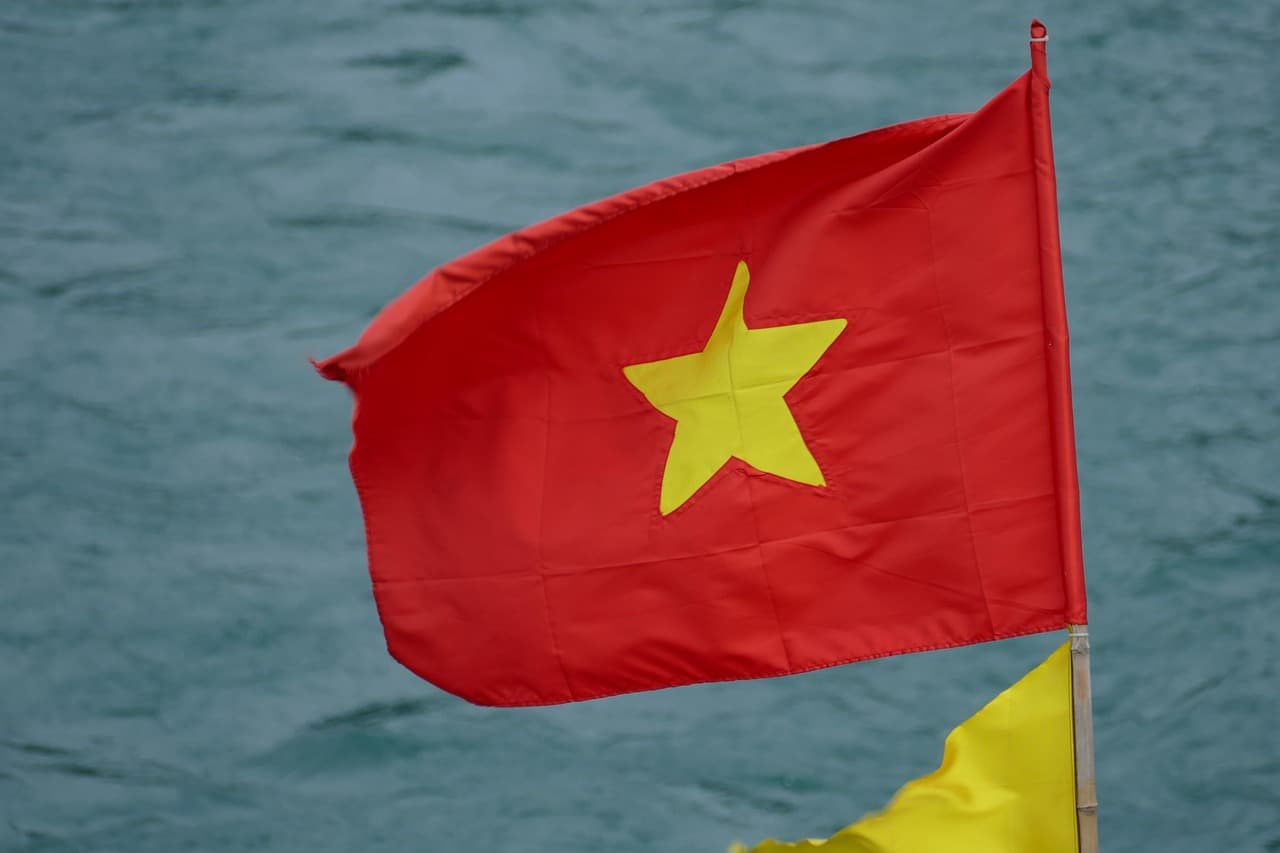
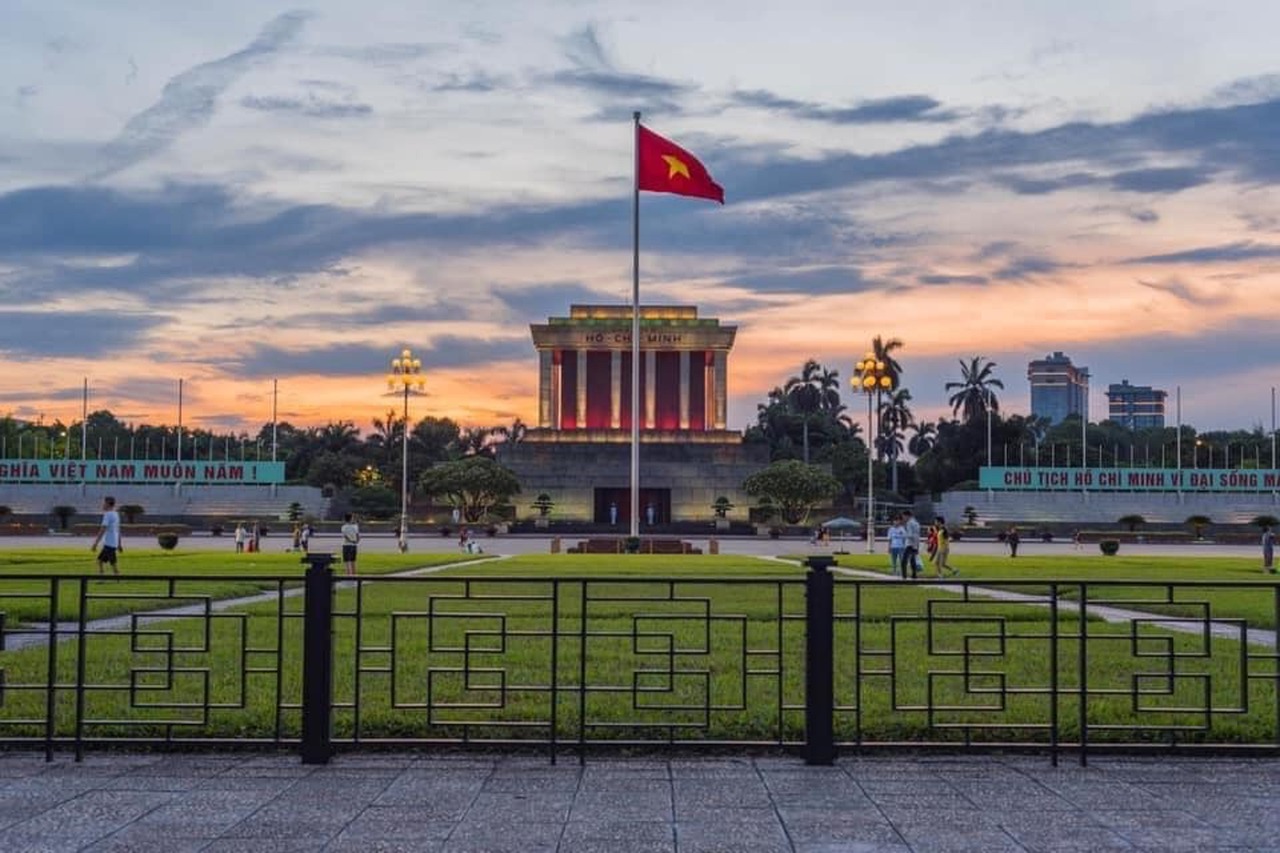
On September 2, 1945, in Ba Dinh Square in Hanoi, Ho Chi Minh declared the independence of the Democratic Republic of Vietnam in front of hundreds of thousands of people. Eighty-one years on, the date remains one of the most meaningful on the national calendar, marked by red-and-gold flags hung from building façades, patriotic songs playing in the streets, and, depending on the year, parades or official performances. Understanding the historical weight of the day makes it easier to appreciate the distinctive atmosphere that settles over Vietnamese cities at this time of year.
Why this five-day break changes things for travelers
Officially, only September 1 and 2 are public holidays in Vietnam. But for 2026, the Ministry of Home Affairs arranged a workday swap: Monday, August 31 is offset by a working Saturday on August 22, creating an unbroken five-day break for public employees, from August 29 through September 2. In the private sector, employers aren't required to follow this exact schedule; most give staff September 2 plus either September 1 or September 3 off.
In practical terms, this means tens of millions of Vietnamese take advantage of the break to travel around the country. It's one of the busiest domestic travel periods of the year, second only to Tet and the April 30 holiday. If you're in Hanoi, Ho Chi Minh City, or one of the popular coastal destinations between August 29 and September 2, expect a noticeably livelier, and more crowded, atmosphere than usual.
Crowds, prices, and bookings: what to expect
Organized tour prices are up an average of 5 to 10% year-on-year for this period, and hotels and transport providers typically charge more during peak travel windows. Domestic favorites for this holiday, Ha Long Bay, Da Lat in the Central Highlands, and Nha Trang, see their domestic flights, trains, and buses fill up quickly, sometimes weeks in advance.
Our recommendation: if your trip overlaps with these dates, book accommodation and long-distance transport as early as possible, and budget for higher rates. Tourism authorities have this year asked businesses to clearly post their prices, surcharges, and cancellation policies, and to stick to the rates agreed with guests, a useful thing to know if you notice a gap between the quoted price and what you're actually charged.
"💬 VietNomads field tip
During public holidays, some informal fares (cyclos, motorbike taxis, small boat rides) creep up without warning, especially around heavily visited spots like Hoan Kiem Lake in Hanoi. Always ask the price before getting on, and negotiate calmly if needed: it's a normal, expected practice, not a lack of respect.
Festivities and events worth catching
Unlike 2025, the 80th anniversary year marked by a large military parade, 2026 is the 81st anniversary of the country's founding, a "non-round" year that doesn't call for a major military ceremony under Vietnamese administrative tradition. No national parade had been confirmed as of mid-August 2026.
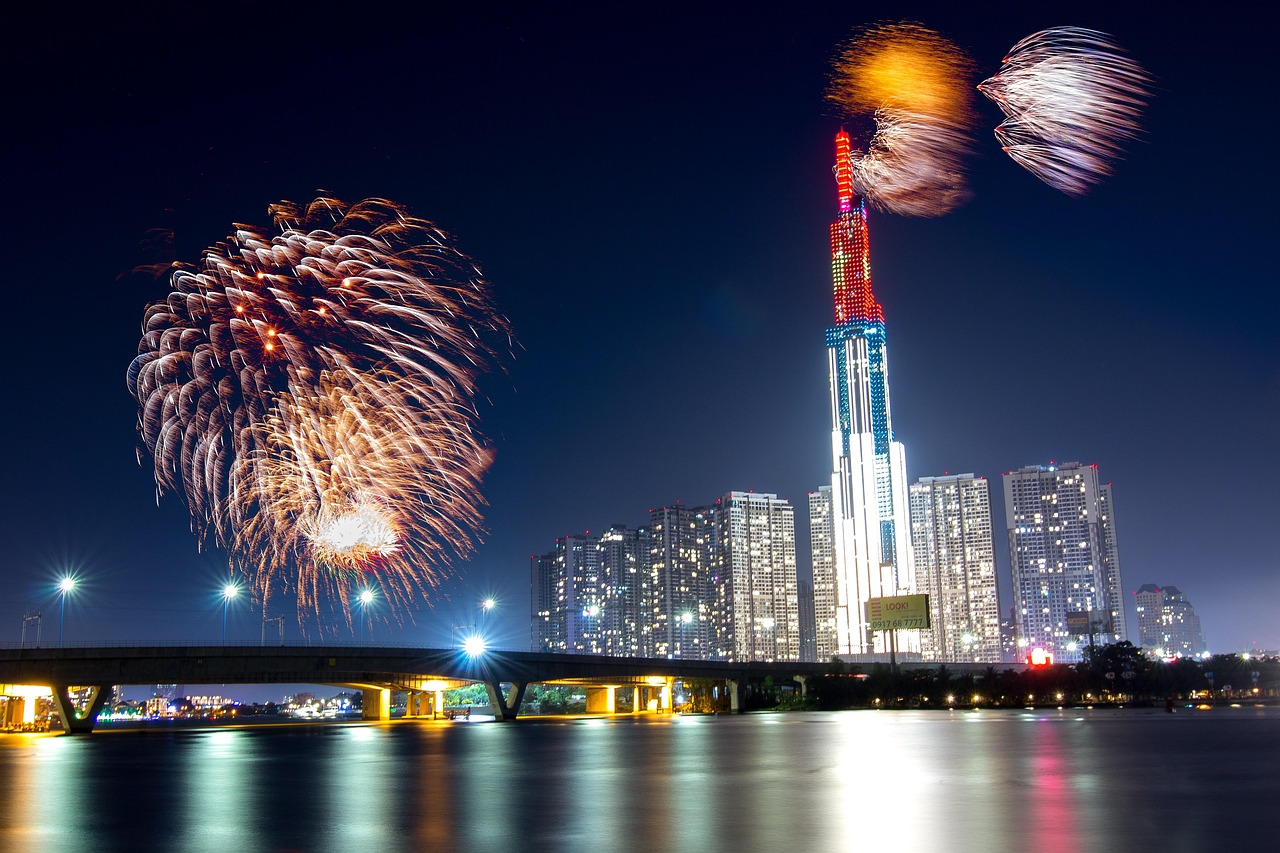
The mood stays festive nonetheless. In Hanoi, several municipal troupes (cheo opera, cai luong opera, water puppetry, circus) are giving free outdoor performances across various districts and communes on September 1 and 2. In Ho Chi Minh City, fireworks are planned simultaneously at seven locations on September 2, from 9:00 to 9:15 p.m., with the biggest display at the entrance to the Saigon River Tunnel. In central Vietnam, Da Nang is adding new segments to its "Hoi An Memories" show between August 26 and September 2, while the coastal town of Sam Son, in Thanh Hoa province, hosts a kite festival from August 30 to September 1.
If you're on the ground, these free events are an authentic way to experience the holiday alongside Vietnamese locals rather than watch it from a distance.
Closures and services to plan around on September 1 and 2
Government offices, banks, and some smaller museums operate on reduced hours or close entirely on September 1 and 2. If you have any administrative errands to run, such as picking up a visa or exchanging money at a bank rather than a private currency exchange, plan to do so before August 29. Major tourist sites and most restaurants, on the other hand, stay open, and often run at full capacity given the influx of visitors.
Our practical tips for a smooth trip
If your itinerary is flexible, you have two options. The first is to fully embrace the atmosphere by heading to a major city for the events and fireworks, booking accommodation and transport several weeks ahead. The second is to avoid the crowds by choosing, for this particular break, destinations less popular with domestic tourists, such as the remote mountain regions of the north or certain southern islands that are harder to reach on a short weekend.
Either way, book only through licensed agencies and providers, keep a copy of your bookings with the agreed rates, and take out travel insurance covering any water or outdoor activities you have planned during this period. After a sometimes unpredictable rainy season in August, it's also worth checking the local weather before heading out to sea or into the mountains.
This five-day break isn't an obstacle to your trip, it's a chance to see Vietnam at its most festive and proud, as long as you plan a little ahead.