What Is Tết Trung Thu?
Every year in mid-autumn, Vietnam fills up with colorful lanterns, cakes as round as the moon, and unicorn dances pounding to the beat of drums. This is Tết Trung Thu, literally the "Mid-Autumn Festival," also known as Tết Thiếu Nhi, the Children's Festival. Unlike the Lunar New Year Tết, it isn't a public holiday, but it's arguably one of the most charming celebrations to witness while traveling in Vietnam.
The most widely told legend is that of Chị Hằng, the Moon Goddess, exiled to the moon after accidentally swallowing a pill of immortality, and Chú Cuội, the woodcutter clinging to his magical banyan tree, also said to be visible in the moon's shadows on full-moon nights. Children scan the sky that evening looking for their silhouettes, while families gather around a tray of fruit and mooncakes.
Beyond the folklore, Trung Thu traditionally marks the end of the harvest and a moment of family reunion, somewhat like a harvest festival doubling as a celebration for the youngest, who receive lanterns, masks, and toys.
When Does the Festival Take Place in 2026?
Tết Trung Thu falls on the 15th day of the 8th lunar month, which corresponds to Friday, September 25, 2026 on the Gregorian calendar. The date shifts every year since it follows the lunar calendar, but it always lands around the autumn equinox, when the moon is said to be at its roundest and brightest of the year.
In big cities and villages alike, preparations actually start nearly three weeks in advance: decorated shopfronts, lantern markets, and mooncake-making workshops open to the public. If you're traveling through Vietnam anytime in September, you'll run into the Trung Thu atmosphere well before the date itself.
Lanterns, Unicorn Dances, and Mooncakes: The Symbols to Know
Three elements shape every celebration across the country, from the smallest village to the biggest metropolis.
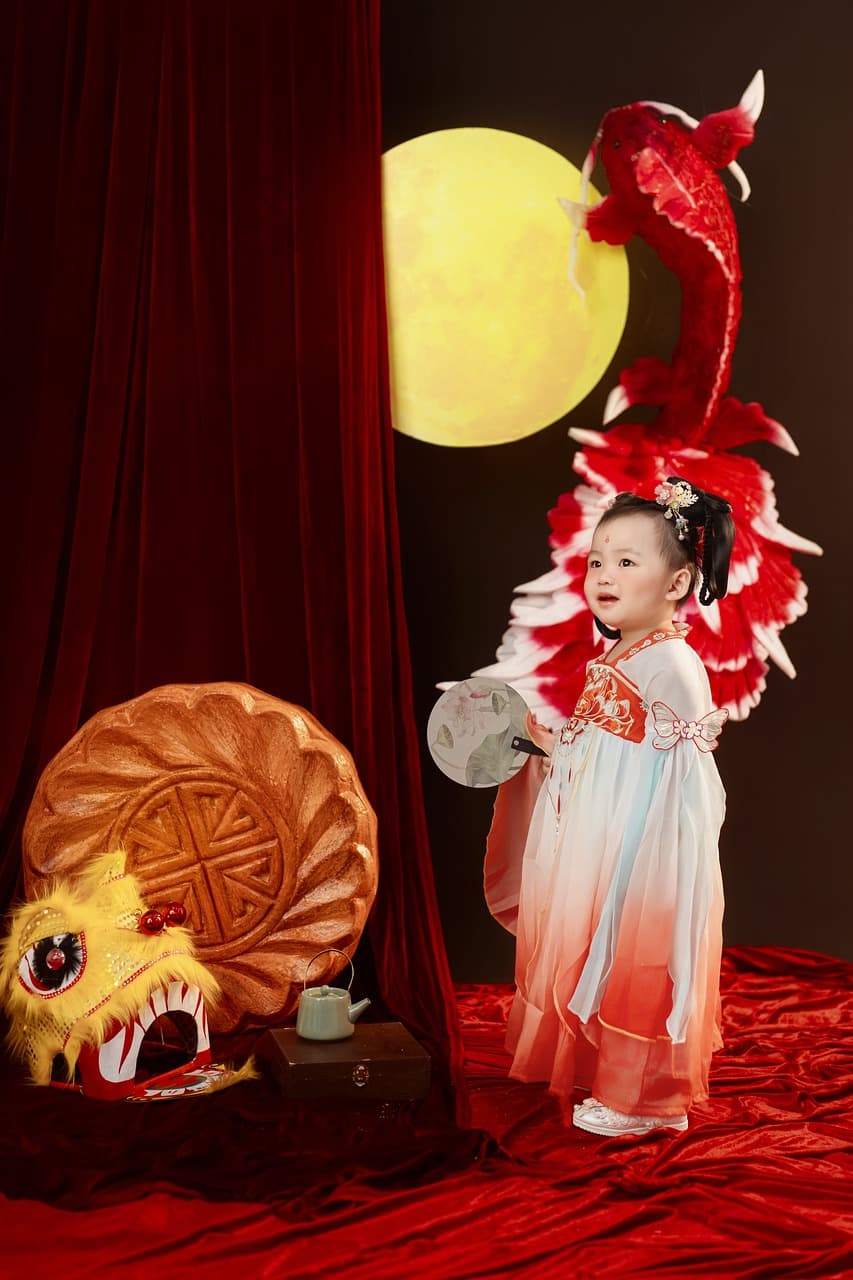
Lanterns come first, in an endless variety of shapes: the five-pointed star (đèn ông sao) remains the most iconic, but carp, rabbit, and dragon shapes are just as common, made of paper, silk, or bamboo. Carrying a candle-lit lantern in a street procession is the ritual gesture of the evening for generations of Vietnamese children.
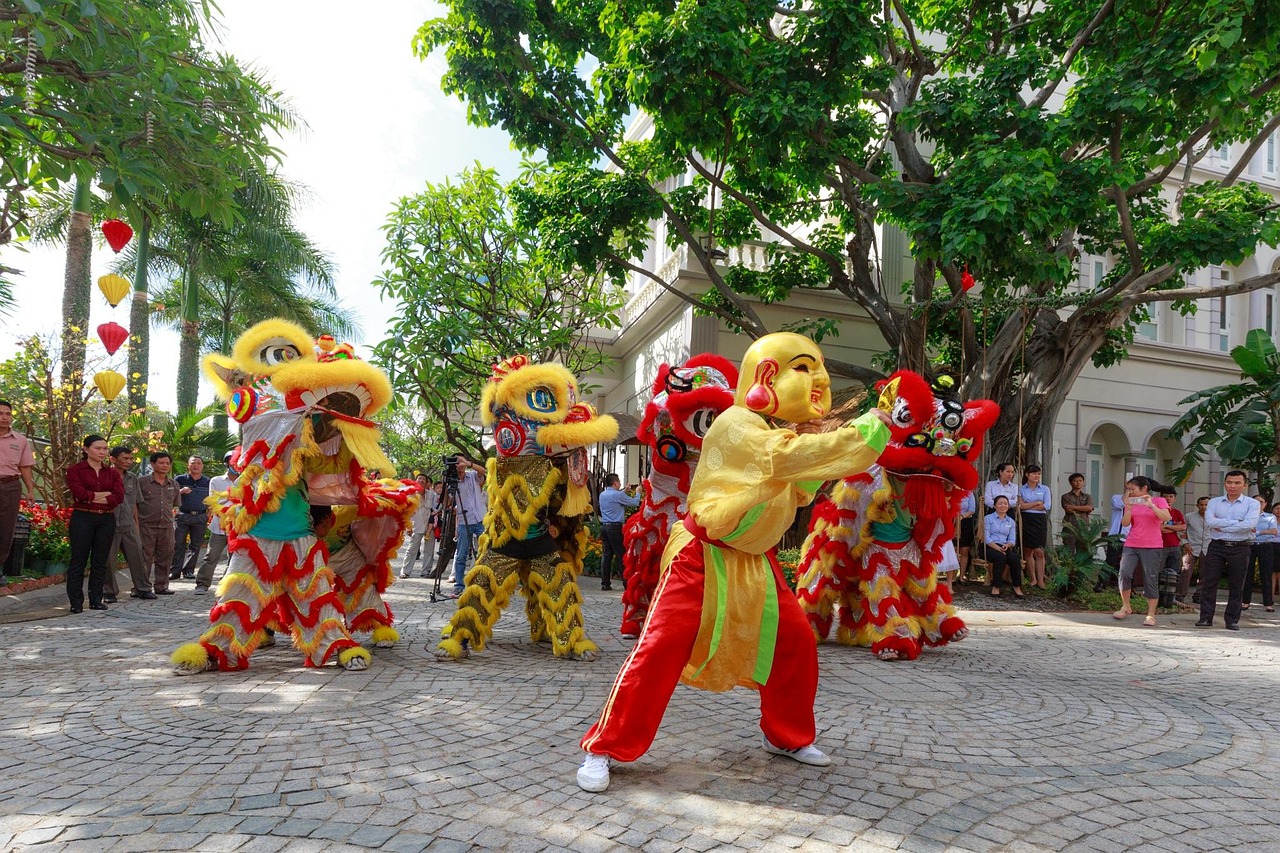
Next comes the unicorn dance (múa lân, often mistaken for a lion or dragon dance), performed by amateur or professional troupes who move from street to street and shop to shop, to the sound of drums and cymbals, bringing luck to families and businesses.
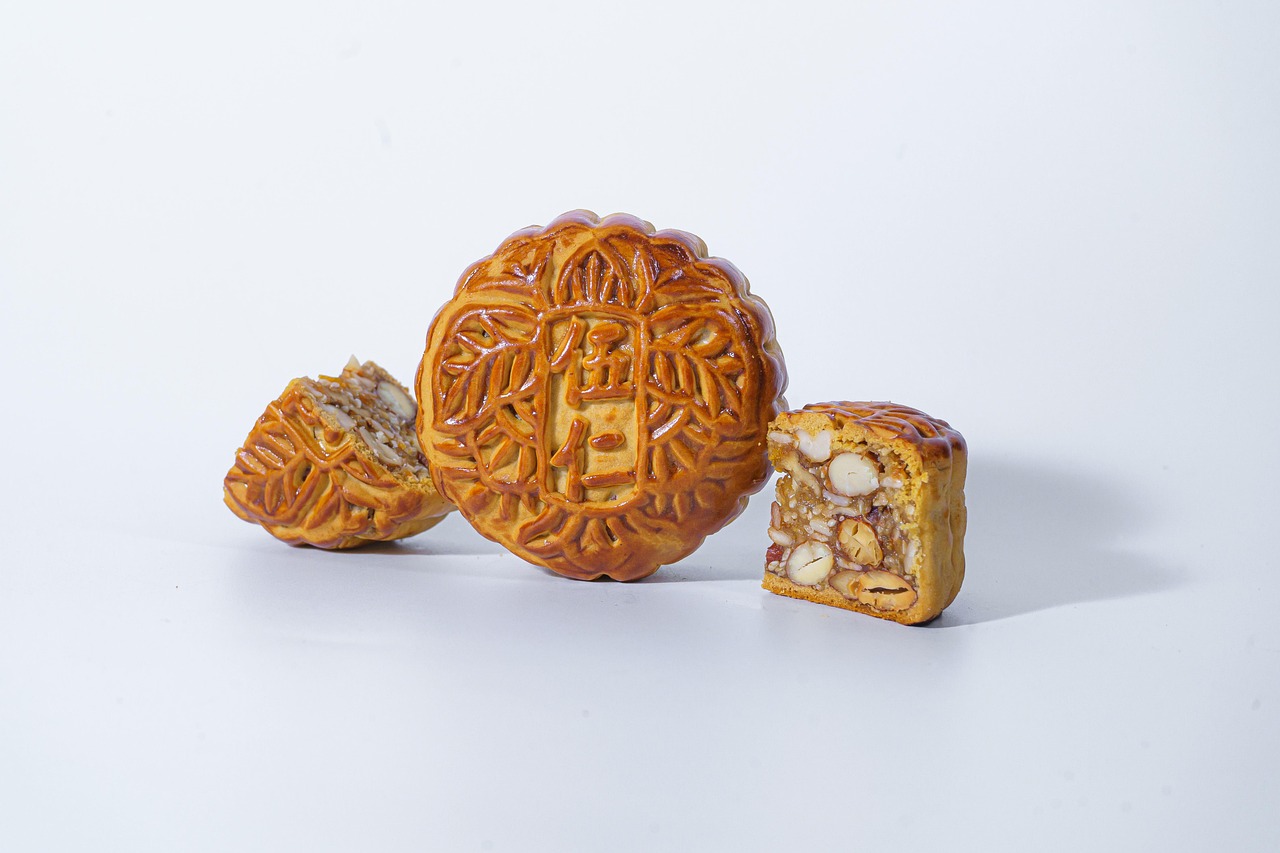
Finally, there's no celebrating Trung Thu without bánh trung thu, mooncakes. There's bánh nướng, oven-baked with a dense, golden crust, and bánh dẻo, made with a soft, white glutinous rice dough. Traditional fillings combine lotus seeds, salted duck egg yolks (a symbol of the full moon), nuts, or candied fruit; newer versions come in matcha, chocolate, fresh fruit, or even durian. Gifting a box of mooncakes to family, friends, or coworkers is an essential social gesture of the season, not unlike chocolate at Easter in Europe.
Tuyên Quang, Vietnam's Capital of Giant Lanterns
If there's only one place to see for Trung Thu in Vietnam, it's probably Tuyên Quang, a mountainous province about a 2.5-hour drive north of Hanoi. What started as a lantern parade made by residents of a single neighborhood has grown, over about fifteen years, into the country's largest lantern festival: the Lễ hội Thành Tuyên.
In 2026, the festival runs from September 19 to 25, peaking on the evening of the 25th, Trung Thu itself. Dozens of giant lanterns, some several meters tall and depicting historical figures, animals, or scenes of local life, parade through the city's streets on floats decorated by residents of different neighborhoods, competing in good-natured rivalry. The festival has been recognized by the Vietnam Guinness Book of Records for the size and originality of its lanterns.
"💬 VietNomads field tip
Tuyên Quang isn't yet a mass tourist destination, which makes it an authentic place to experience Trung Thu away from Hanoi's crowds, but accommodation remains limited. If you're aiming for the evenings between September 19 and 25, book your lodging at least a month ahead and plan to arrive in the late afternoon to grab a good spot along the parade route, usually announced around Nguyễn Tất Thành Square.
Hanoi: The Buzz of Hàng Mã Street
In the capital, it's Hàng Mã Street, right in the heart of the Old Quarter, that concentrates all the Trung Thu excitement. From mid-September onward, its storefronts, usually dedicated to paper funeral offerings, transform into a sprawling display of lanterns, masks, colorful plastic drums, and traditional toys stretching several hundred meters.
The atmosphere is good-natured but dense: families with children, teenagers snapping photos, street vendors. To enjoy the street without too much of a crush, it's best to visit in the late morning or early evening on a weekday, rather than the weekend right before September 25, when the street becomes nearly impassable by car or scooter.
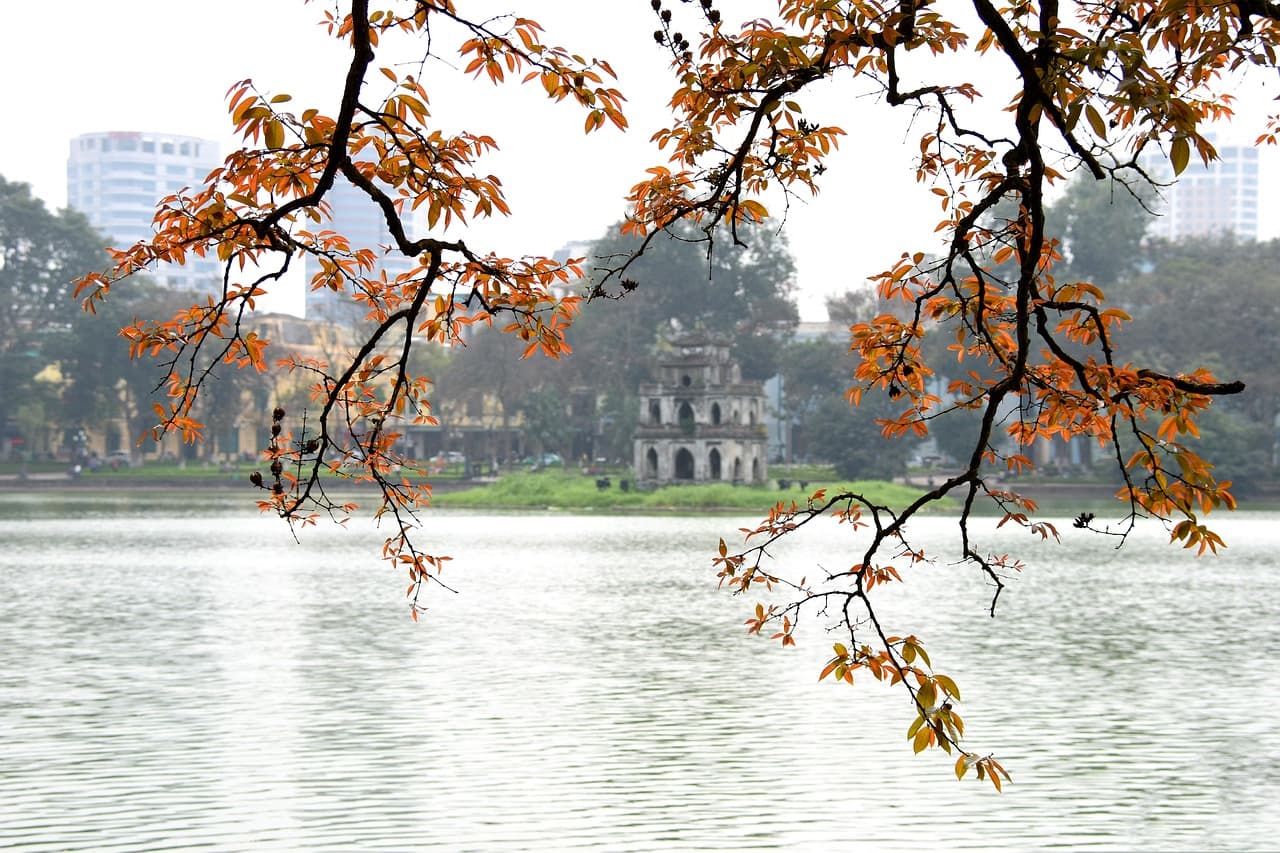
Hoàn Kiếm Lake, just steps away, often hosts small free cultural performances (songs, traditional games) during this period too, a good way to round out the visit.
Ho Chi Minh City: Chợ Lớn's Lantern Street
In the south, it's the Chinese neighborhood of Chợ Lớn, in District 5, that plays this role with Lương Nhữ Học Street. Every year as Trung Thu approaches, this normally unassuming street is blanketed in lanterns of every color, strung across roughly 100 meters, with close to a hundred specialty shops.
Crowds peak between 7 and 9pm, once the heat eases and the lit lanterns reflect off the shopfronts. It's also one of the best places in the city to try handmade mooncakes, as Chợ Lớn's Chinese-Vietnamese community keeps recipes alive that have been passed down for generations.
Where and How to Try the Best Mooncakes
Throughout the month leading up to Trung Thu, major brands (Kinh Đô, Bibica, Đông Phương) set up pop-up stands outside hotels and department stores, with gift boxes ranging from a simple pair of cakes to elaborate sets meant for corporate gifting. For a more local experience, family-run bakeries in Hanoi (around Thụy Khuê Street, known for its artisanal workshops) or in Chợ Lớn in Ho Chi Minh City offer more rustic versions, often cheaper and just as authentic.
If you're traveling with children or are simply curious, several places now offer hour-long workshops where you can make your own mooncake under the guidance of a local pastry chef: a fun family activity to fold into a stay in Hanoi or Hội An during this period.
Experiencing Trung Thu as a Visitor: Our Tips
Since Trung Thu isn't a public holiday, the country's economic and administrative life carries on as usual: offices, banks, and tourist sites stay open at their regular hours, including on September 25. It's therefore an easy period to fold into a standard itinerary, with none of the logistical constraints that come with major public holidays.
That said, it's worth planning ahead for evening travel through the neighborhoods where festivities concentrate (Hàng Mã in Hanoi, Chợ Lớn in Ho Chi Minh City, downtown Tuyên Quang): traffic is heavy and some streets are temporarily closed to vehicles in the evening. Plan to get around on foot once you're there rather than by taxi or scooter.
Finally, Trung Thu is a great excuse to bring home a different kind of souvenir than a fridge magnet or a t-shirt: a bamboo-and-rice-paper lantern, light to pack, remains one of the most evocative gifts from this trip.
Frequently Asked Questions About Tết Trung Thu
Is Trung Thu a public holiday in Vietnam? No. Unlike the Lunar New Year Tết, Trung Thu isn't a day off: schools, offices, and shops operate normally on September 25, 2026, with only the evening atmosphere in the streets changing.
What's the difference between Trung Thu and Tết? Tết marks the Lunar New Year, in January or February, and is the most important family and religious celebration of the year, with several public holidays attached. Trung Thu, in September, is a lighter celebration centered on children, the full moon, and family reunions, without any pause in economic activity.
Which city should you pick to experience the festival at its fullest? Tuyên Quang for the sheer scale of its giant lantern parade, Hanoi for the bustling, popular atmosphere of Hàng Mã Street, Ho Chi Minh City for the more intimate feel of the Chợ Lớn Chinese quarter. All three are easy to fit into a standard Vietnam itinerary.
Are there vegetarian or vegan mooncakes? Yes, a growing number of brands offer versions without egg or animal fat, made from mung bean paste, taro, or fruit, usually labeled "chay" (vegetarian) on the packaging.