Tết, the Lunar New Year, is Vietnam's biggest celebration, and in 2027 it falls on Saturday 6 February. For travellers it is both the best and the trickiest time to visit: cities empty out, families reunite, streets fill with flowers… but trains sell out, small shops pull down their shutters and prices climb. The good news is that it is only late October, so there is still plenty of time to get organised. Here is everything you need to know to make Tết 2027 a great experience rather than a logistical headache.
Tết 2027: the dates to remember
The first day of the lunar year (mùng 1) falls on 6 February 2027, and the Year of the Goat begins. New Year's Eve, Giao Thừa, is the night of 5 to 6 February. A few days earlier, around 30 January, families honour the kitchen gods (Ông Táo), which marks the start of the festive mood: homes are cleaned, flowers are bought, meals are prepared.
As for the official calendar, stay cautious: as far as we know, the exact length of the public holiday had not been confirmed at the time of writing. Several options are circulating, from about seven to ten days, around 4 to 14 February. The final decree is usually published in the weeks beforehand, and we will update the dates as soon as they are known. In practice, expect a slowdown lasting from about 3 to 11 February, with a very quiet core from mùng 1 to mùng 3 (6 to 8 February).
"💬 VietNomads field tip
Don't rely only on the official holiday dates: Vietnamese people leave the big cities several days before and come back several days after. Traffic peaks around 3 to 5 February (departures) and 9 to 12 February (returns). If you can, avoid taking a train or flight on those dates.
What really changes for travellers
During Tết, Vietnam runs in slow motion. The vast majority of small restaurants, neighbourhood cafés, shops, markets, banks and offices close for the first three days of the year, sometimes longer. Museums and monuments may also close or shorten their hours, and many guides, drivers and hotel staff go home to their families.
What stays open is enough to travel comfortably if you plan ahead: hotels and their restaurants, international chains, convenience stores (often with reduced hours), restaurants in tourist areas and most pagodas, which are busier than ever. Natural sites such as the caves and national parks of Central Vietnam generally operate with reduced teams.
Three habits to adopt: withdraw cash before 3 February, as ATMs can run dry; stock up on basics (water, snacks) for the quietest days; and book accommodation directly, so you have a contact you can actually reach on the ground.
Transport: book as early as possible
This is the most important point. Vietnamese people travel in huge numbers to join their families, and domestic flights, trains and buses sell out weeks in advance. In previous years tickets were often gone four to six weeks before the holiday, with fares reaching two to three times the usual price. Train sleeper berths go first.
Our advice: book domestic flights, trains and buses as soon as possible, ideally in November, and at the latest as soon as sales open if they have not started yet. International flights to Vietnam are a little less tight, but fares also rise around the date.
Build slack into your itinerary: avoid any travel on mùng 1, keep journeys short around the traffic peaks, and prefer a morning flight to an overnight bus on big departure days. If you are planning a long tour, it is better to spend Tết in one pleasant place than to rush from city to city.
Where to spend Tết: our ideas by city
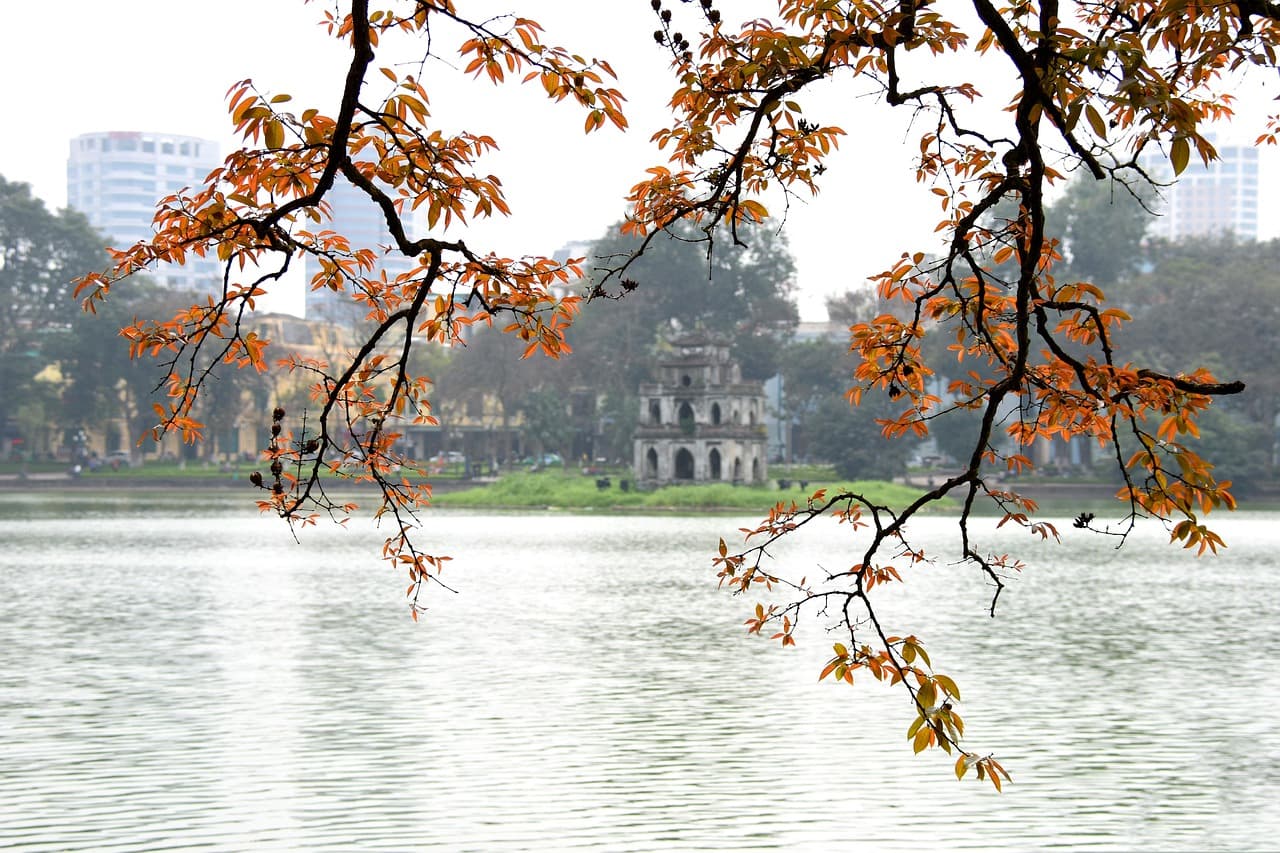
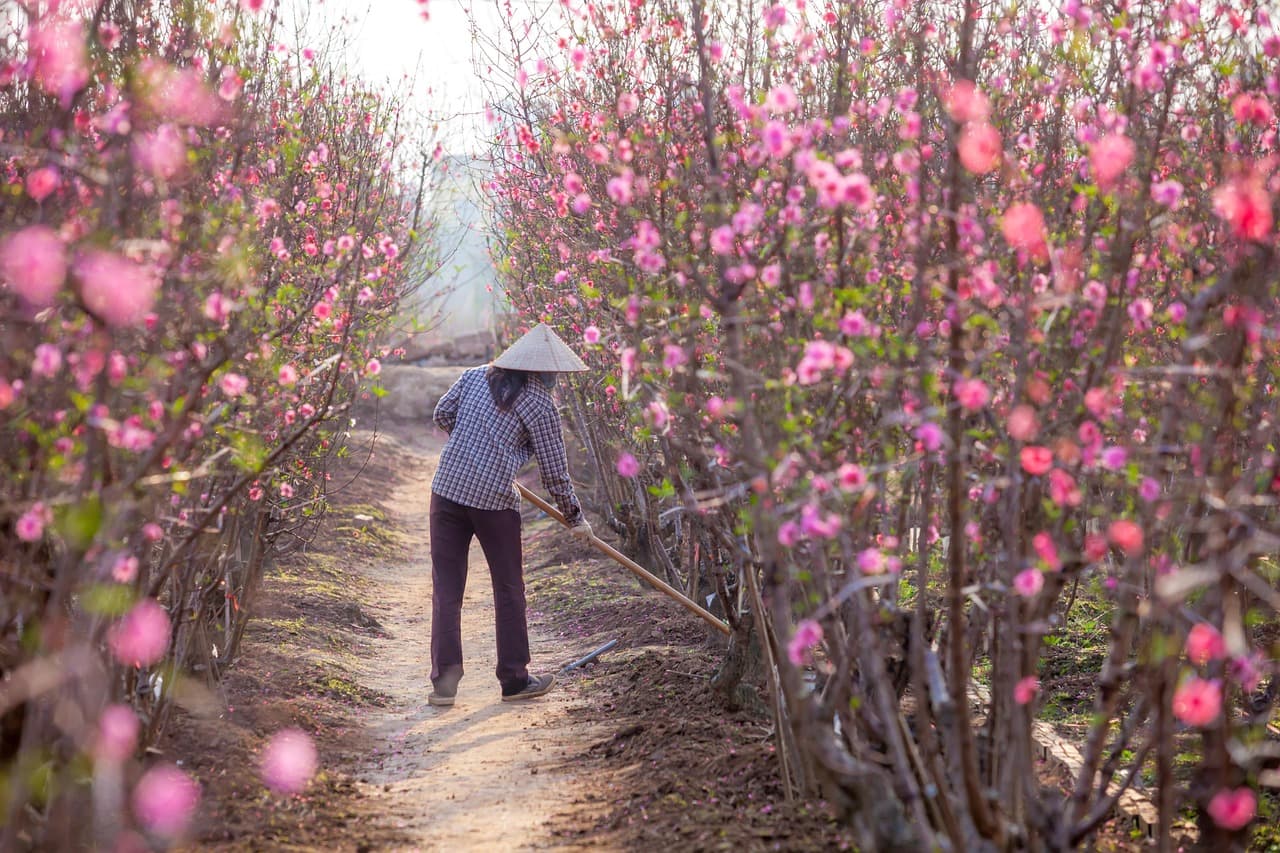
Hanoi is the most beautiful city for soaking up the atmosphere: peach blossom (hoa đào) set out in the streets, flower markets, red and gold decorations. Tết here is more traditional than in the South. The city is very quiet in the first days, which makes it a special moment to wander the Old Quarter, as long as you accept that many places will be closed.
Ho Chi Minh City transforms as well: a flower street is usually set up downtown, where families in traditional dress look for the perfect photo. Here it is branches of yellow apricot blossom (hoa mai) that take centre stage.
Hội An and Central Vietnam remain safe bets, as the tourist areas keep a good share of their restaurants and shops open, with lanterns in the old town. Đà Lạt, in the highlands, attracts many Vietnamese families and has a lovely flowering season at this time of year, but book early. The Mekong Delta offers spectacular flower markets in the days leading up to the festival.
Conversely, destinations that depend on local transport (Hà Giang, some mountain areas) need more preparation: busy roads, full accommodation, reduced services.
Traditions to know so you are welcomed warmly
Tết is above all a family celebration, and as a visitor you will mostly be an onlooker. Still, a few pointers make a difference.
The first visitor to a home after midnight is believed to bring luck for the whole year (xông đất), which is why families carefully choose who steps through the door first. Adults give children and relatives small red envelopes (lì xì) containing lucky money. On the first day people generally avoid sweeping or arguing, for fear of chasing luck away. And you wish each other Chúc mừng năm mới (happy new year) or Năm mới vui vẻ.
If you are invited to a Vietnamese home, bring a small gift: fruit, cakes, tea or a box of sweets, ideally wrapped in warm colours. Avoid black and white, which are associated with mourning. In pagodas, which stay open throughout the period, be discreet, dress modestly and don't get in the way of worshippers making offerings.
What to eat during Tết
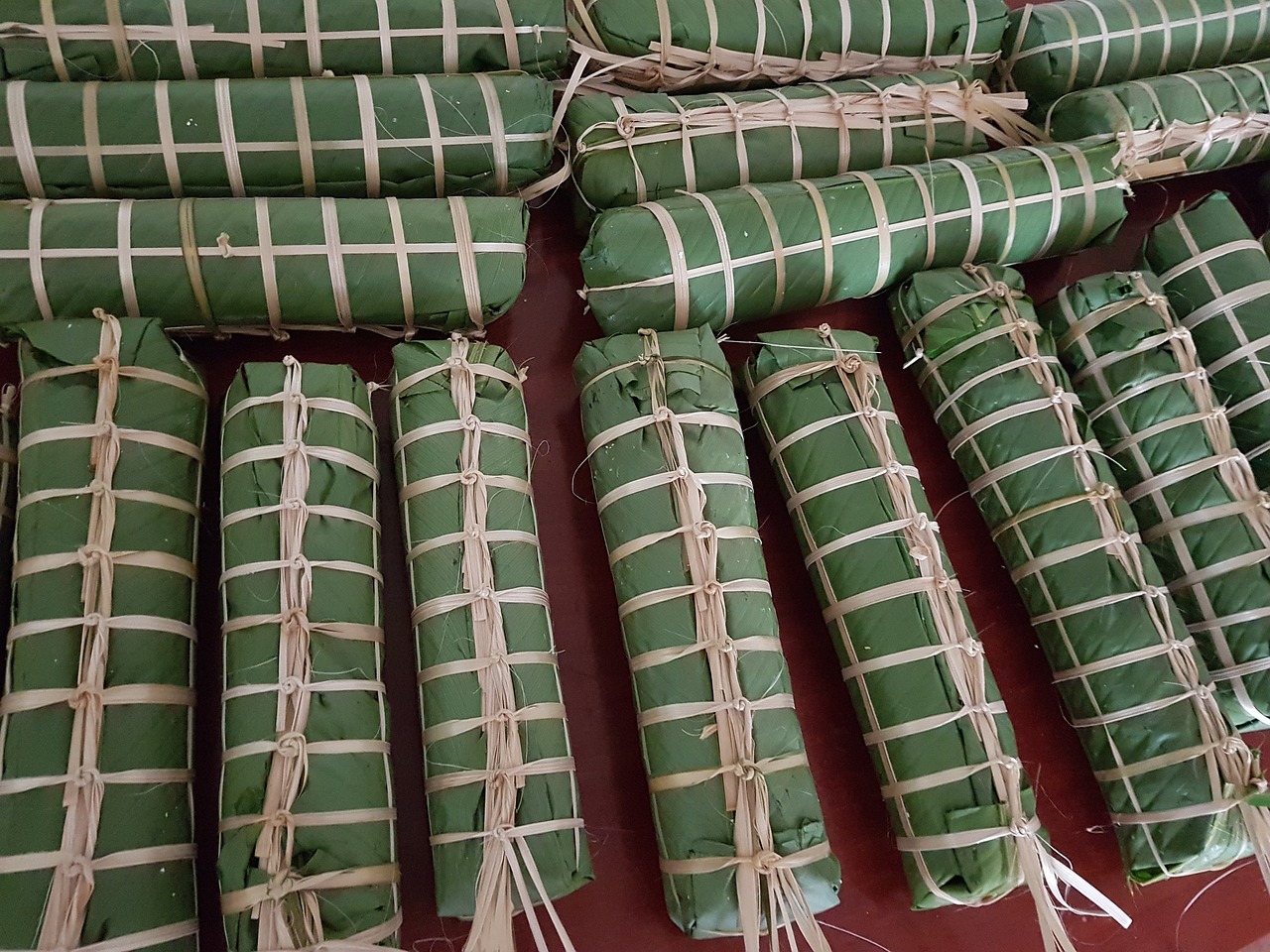
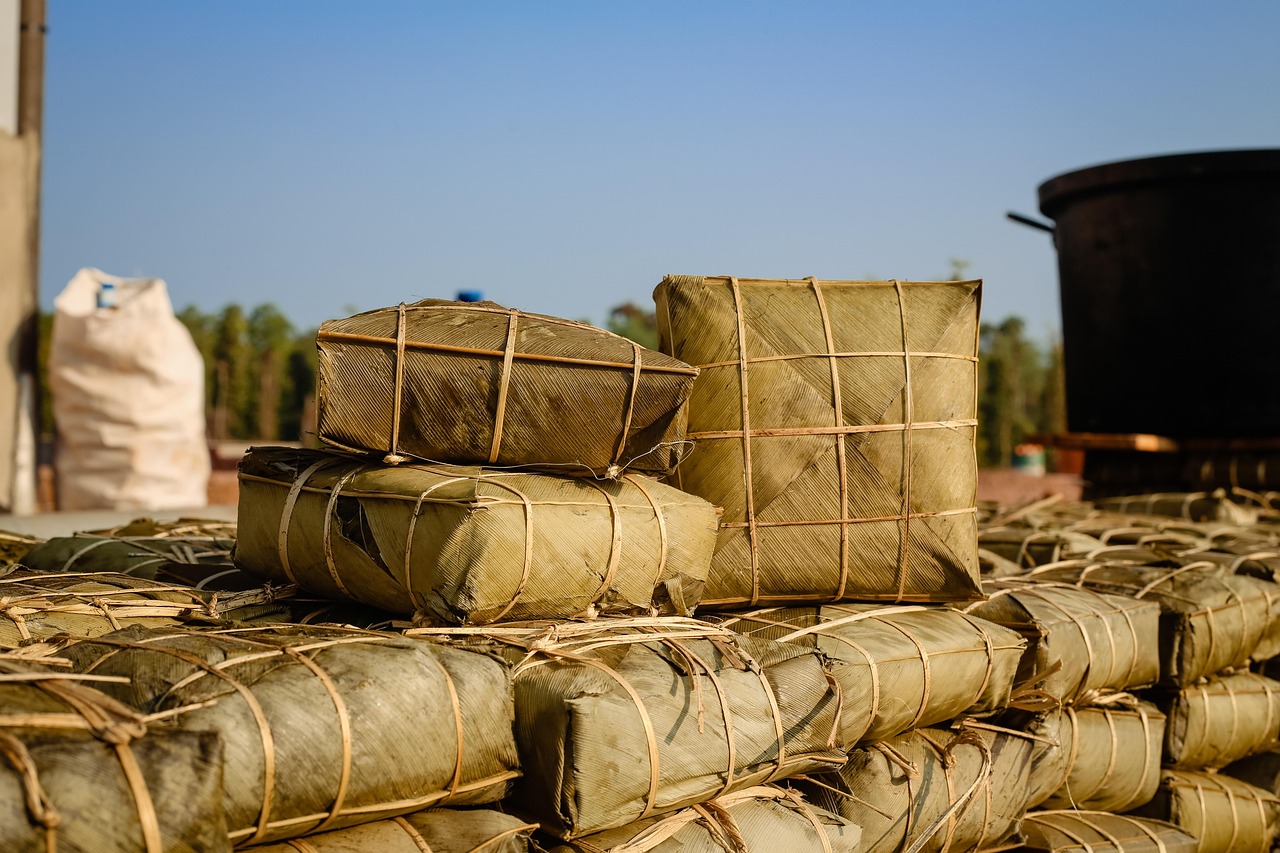
Many restaurants are closed, but Tết food is one of the best parts of the festival. The emblematic dish is bánh chưng, a square sticky rice cake filled with pork and mung beans, wrapped in leaves and cooked for many hours, especially in the North. In the South it comes in a cylindrical form, the bánh tét. They are served with dưa hành (pickled onions), braised meats and sweets made from dried fruit and lotus seeds.
If you are not invited anywhere, don't count on finding a festive table: it is better to spot open restaurants in advance, or book a table at your hotel. Traditional cakes are also sold in supermarkets and shops in tourist areas.
Our checklist before you go
To make your Tết 2027 trip go as smoothly as possible, here is what to sort out now: book domestic flights, trains and buses in November if you can; book hotels and key excursions directly; get cash before 3 February; build an itinerary with few transfers; accept that some places will be closed; and leave a day of buffer around your international flights.
Tết is not the time to "see everything": it is the time to slow down, observe, taste the rice cakes, watch families gather around their offering trays, and let yourself be carried along by a city that changes its face. If you love authentic travel, it is a season worth experiencing at least once. Need a tailor-made itinerary around the Lunar New Year? The VietNomads team knows the ground and can help you build a smooth trip, with the right bookings on the right dates.