August is not a month to cross off your itinerary
Mention a trip to Vietnam in August, and you'll usually hear the same reaction: "Isn't that the rainy season?" It is, and that's not really a problem. August sits at the heart of the wet season across much of the country, and it overlaps with the busiest stretch of typhoon activity in the Gulf of Tonkin. In practice, though, most travelers who visit in August have a genuinely great trip: mornings are often clear, downpours rarely last more than an hour, and accommodation prices are gentler than in peak dry season. The difference between a smooth trip and a frustrating one usually comes down to how you build your itinerary, and how you react on the day the weather changes your plans. That's what this guide is about.
August weather, region by region
Vietnam stretches over 1,600 km from north to south, and its weather is never one single story. In August, three patterns coexist:
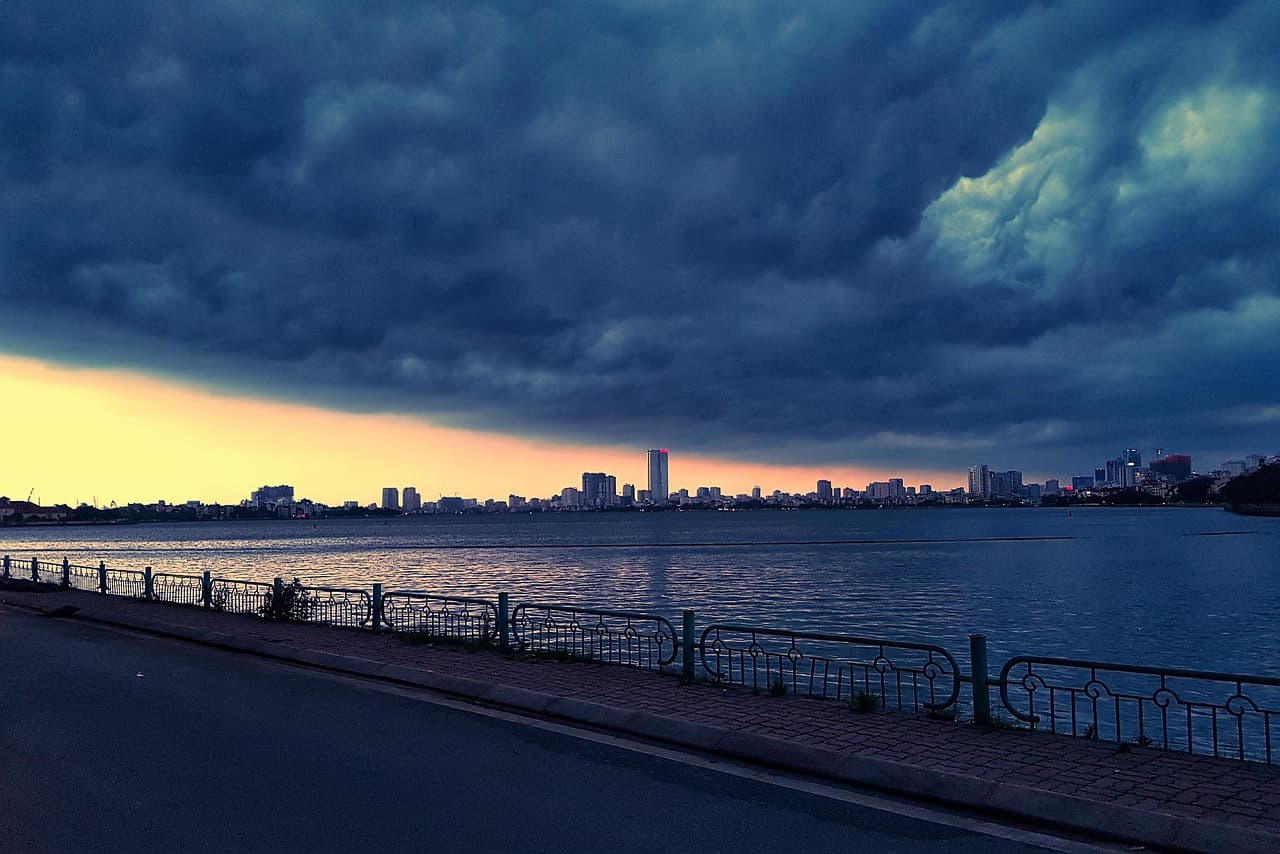
The North (Hanoi, Ha Long Bay, Sapa, Ninh Binh) stays under monsoon influence: showers are frequent and sometimes heavy, and this is also the region most exposed to typhoons tracking up from the South China Sea into the Gulf of Tonkin. Humidity often sits at 80-90%, which makes a 33°C day feel closer to 40°C.
Central Vietnam (Đà Nẵng, Hội An, Huế) actually enjoys milder weather in August: it's one of the few regions where the dry season stretches into late summer, before the region's own rainy season kicks in around September-October. It's often the best pick for travelers who want to minimize the risk of washed-out days.
The South (Ho Chi Minh City, the Mekong Delta, Phú Quốc) sees daily showers, but on a fairly predictable rhythm: clear skies in the morning, a heavier squall in the late afternoon or evening, then a lull. Seas off Phú Quốc and the southern islands can turn rough intermittently from July through September.
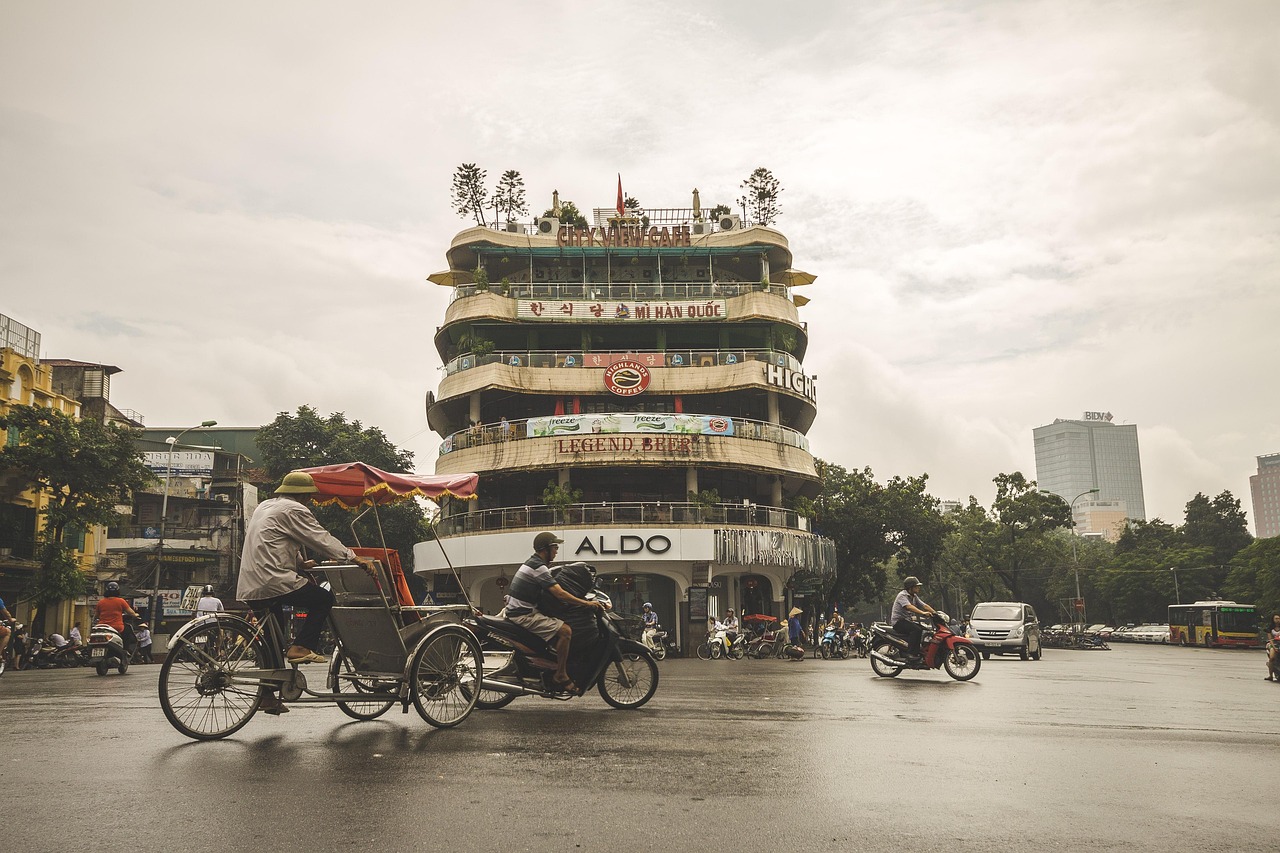
The key thing to remember: August rain is almost never a light drizzle that settles in all day. It's usually a short, intense tropical downpour followed by a quick return of the sun — which is exactly why it pays to schedule activities around it, as we cover below.
Typhoons and the Gulf of Tonkin: what actually happens
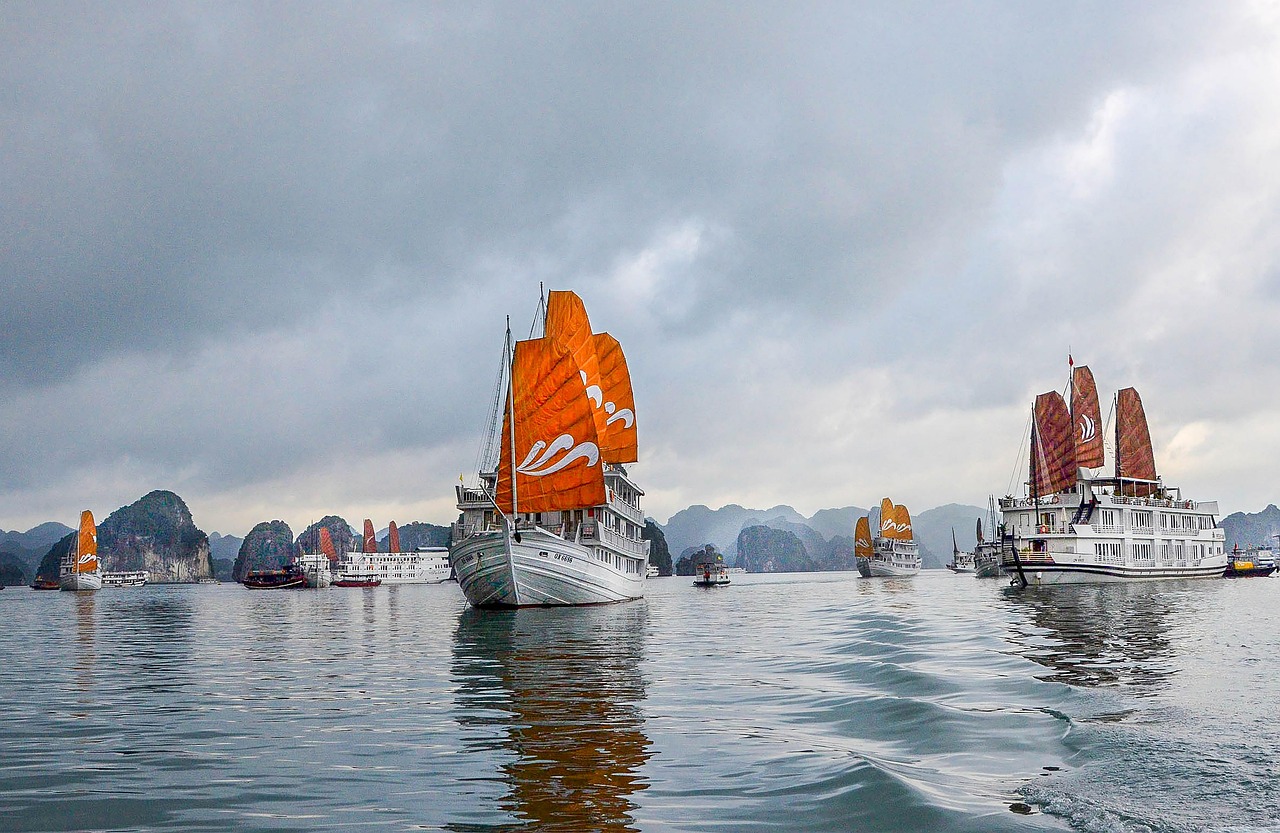
This is the part that worries people most, and fairly so: August is statistically the most active month of the season, with as many as 3-4 tropical systems sometimes affecting northern Vietnam in a single month. In practice, that doesn't mean constant storms — it means occasional multi-day episodes during which certain activities pause as a precaution.
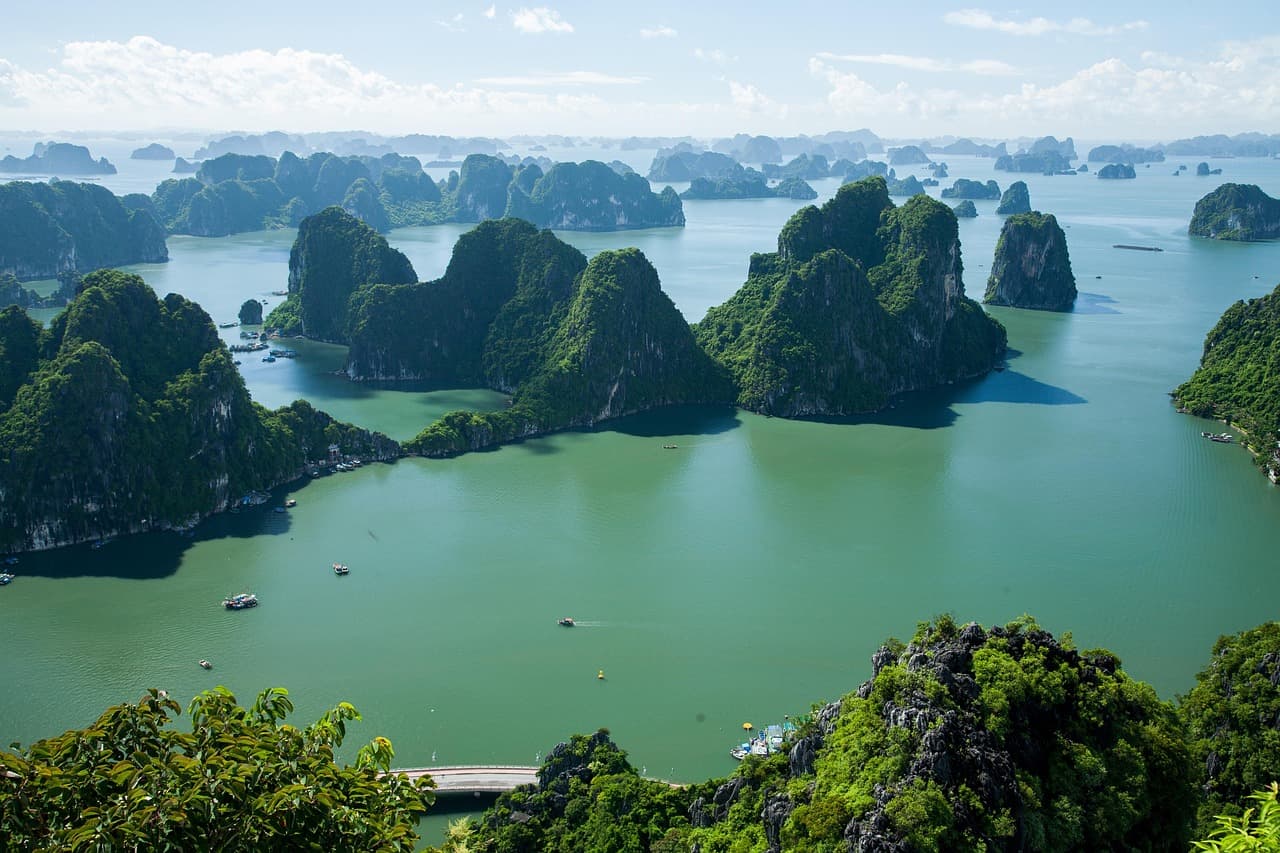
The most common case involves overnight Ha Long Bay cruises: as soon as a tropical depression or typhoon is detected in the Gulf of Tonkin, the bay's management board suspends all overnight cruises for safety. This isn't rare — roughly 15-20% of overnight cruises scheduled in August end up cancelled or shortened due to weather, with some operators offering a day cabin as a substitute, which obviously isn't what travelers booked.
"💬 VietNomads field tip
If your trip includes a Ha Long Bay cruise in August, book with an operator that has a clear rebooking or refund policy for weather cancellations, and build in a spare day before or after in your itinerary. That buffer, more than the choice of boat, is what separates a minor hiccup from a disrupted trip.
Flights can be affected too during typhoon alerts, especially in central Vietnam: airlines proactively cancel or reschedule and notify passengers by SMS or email, with free rebooking or refund options. The smart move is to keep your contact details current with the airline and check your flight status the day before departure.
Building an itinerary with a real plan B
The best defense against August weather isn't avoiding the country — it's building an itinerary that can absorb surprises without falling apart. A few simple habits make a big difference:
Book outdoor activities (Ha Long Bay, islands, hiking, beach days) early in the trip rather than at the very end, so you keep room to reschedule if a day is lost. If your route covers both the north and the center or south, consider starting in the north: if things get disrupted, it's far easier to shift the rest of the trip than to catch up on a flight that's already left.
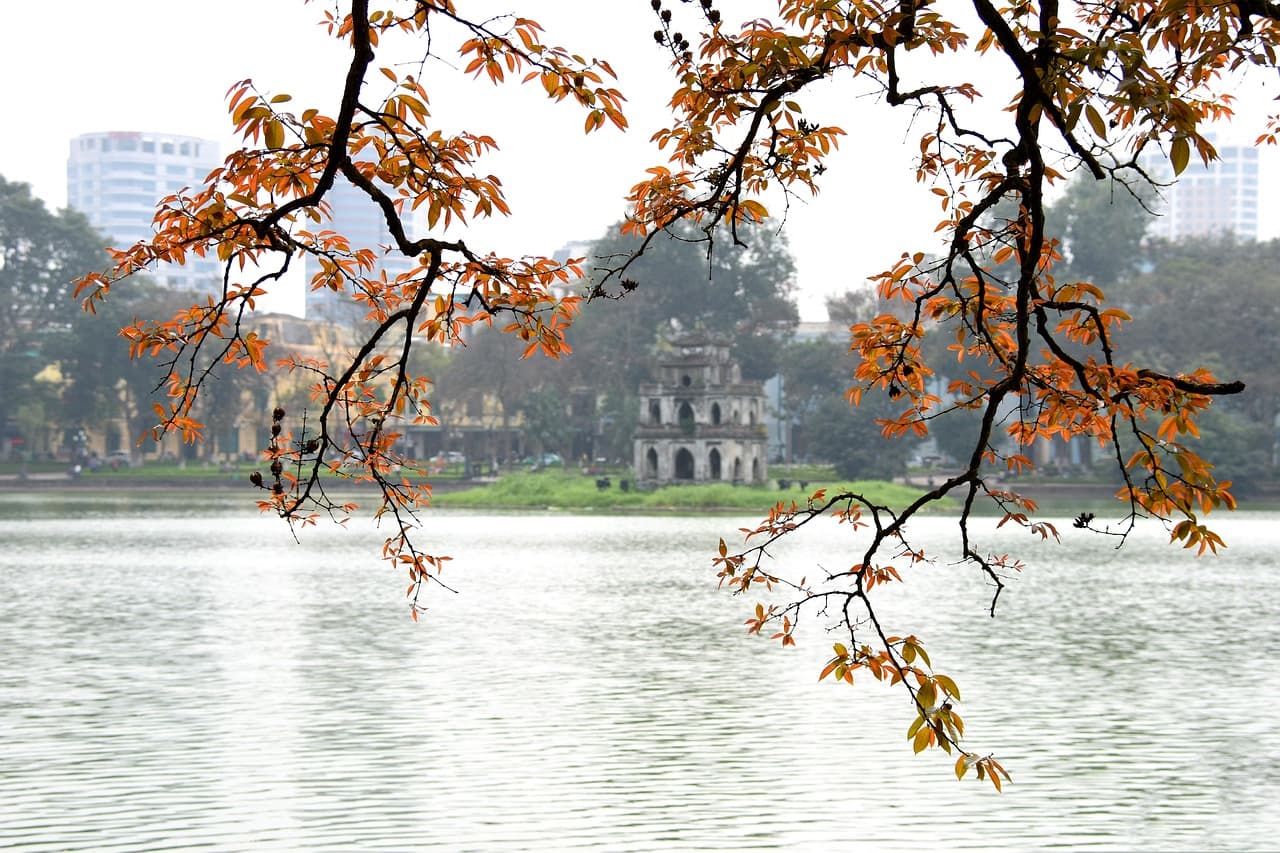
Always keep an indoor backup activity in each city: a museum, a spa, a covered market, a cooking class. In Hanoi or Ho Chi Minh City, an hour-long downpour is also a good excuse to settle into a café and watch the street come back to life right after.
Finally, don't lock your itinerary too tight: two or three "floating" days without fixed bookings give you real breathing room if something needs to shift by 24 or 48 hours.
The anti-monsoon packing list: what to actually bring
No need to gear up like an expedition: August rain is easy to manage with a few key items, as long as they're within reach.
A light, breathable rain jacket is more useful than an umbrella on a motorbike taxi or bicycle, though a small folding umbrella is still handy in town, where you can easily find one for a few dollars if you forget yours. Pack a waterproof pouch or a simple resealable plastic bag to protect your phone, passport, and camera during sudden downpours, along with sandals or quick-drying shoes rather than canvas sneakers, which stay damp for hours.
For clothing, stick to light, fast-drying fabrics: with ambient humidity often at 80-90%, wet clothes take a long time to dry, even indoors. Effective mosquito repellent and long sleeves for the evenings aren't overkill either, since mosquitoes are particularly active during the wet season.
Cancelled flight, suspended cruise: how to react on the ground
If a typhoon does disrupt part of your trip, rule number one is not to push back against local safety guidance: cruise, ferry, and boat-trip suspensions are decided for good reasons, and no refund makes up for an accident.
In practice, keep your travel agency's or hotel's contact details close at hand — they're usually the fastest to arrange a replacement activity. For flights, check the airline's app or website directly before heading to the airport, since cancellations are usually communicated several hours in advance. And keep in mind that a day "lost" to rain quickly becomes a fond memory of a covered market, a steaming bowl of phở, or a well-earned nap, as long as you don't treat it as a planning failure.
Frequently asked questions about Vietnam in August
Should I avoid Vietnam entirely in August? No. It's a fully travelable month, as long as you accept a few downpours and keep some flexibility in your schedule, especially in the north.
Which region should I favor to minimize the risk of rain? Central Vietnam (Đà Nẵng, Hội An, Huế) generally offers the most stable weather in August, before its own rainy season arrives later in the year.
How do I know if a typhoon is forecast before I leave? Forecasts from Vietnam's National Center for Hydro-Meteorological Forecasting get republished by most local news sites a few days ahead; your tour operator or hotel will also alert you if an activity needs to be cancelled.
Are prices better in August? Generally yes — it's a quieter season for international tourism, with often gentler accommodation rates than peak dry season, though domestic demand at beach destinations stays strong during Vietnamese school holidays.
The bottom line
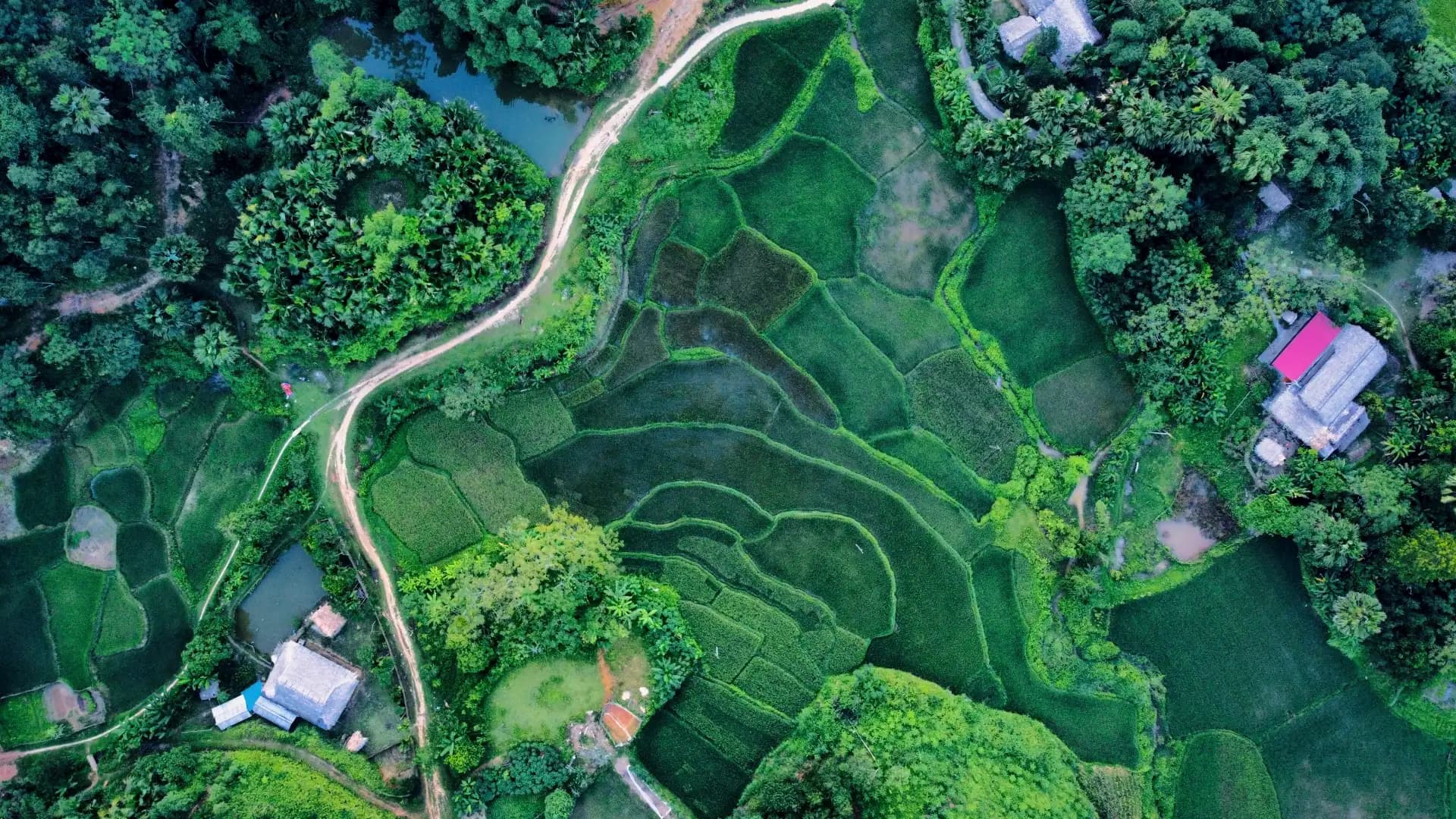
Traveling to Vietnam in August means making peace with sharp tropical downpours and an occasional typhoon risk in the north, in exchange for often-clear mornings, especially lush scenery, and gentler prices. The key isn't to avoid the season — it's to build a flexible itinerary, choose reliable operators for weather-sensitive activities (cruises, islands, domestic flights), and keep some room to maneuver if plans change. With those precautions in place, August remains one of the months when Vietnam shows a quieter, greener, and often more affordable side of itself.