October and November: Vietnam's great transition season
October and November are among the most interesting months to travel to Vietnam, and among the most misunderstood. You'll often read that "it's the rainy season" or, on the contrary, that "it's the best time to go": both statements are true, just not in the same place. The country stretches more than 1,600 kilometres from north to south, and this is precisely the time of year when its three main climate zones experience opposite seasons.
In the North, autumn settles in: clear skies, dry air, mild temperatures and golden light. In the Centre, by contrast, it's the heart of the rainy season, with a real risk of typhoons and floods. In the South, the monsoon is running out of steam, the Mekong Delta is in its high-water season and islands such as Phú Quốc are getting ready for their dry season.
Planning a trip in October or November is therefore mostly about choosing the right order and the right stops. Here is what really awaits you, region by region, along with the up-to-date 2026 entry rules and our advice for building an itinerary that works with the season.
The North: the best time of the year
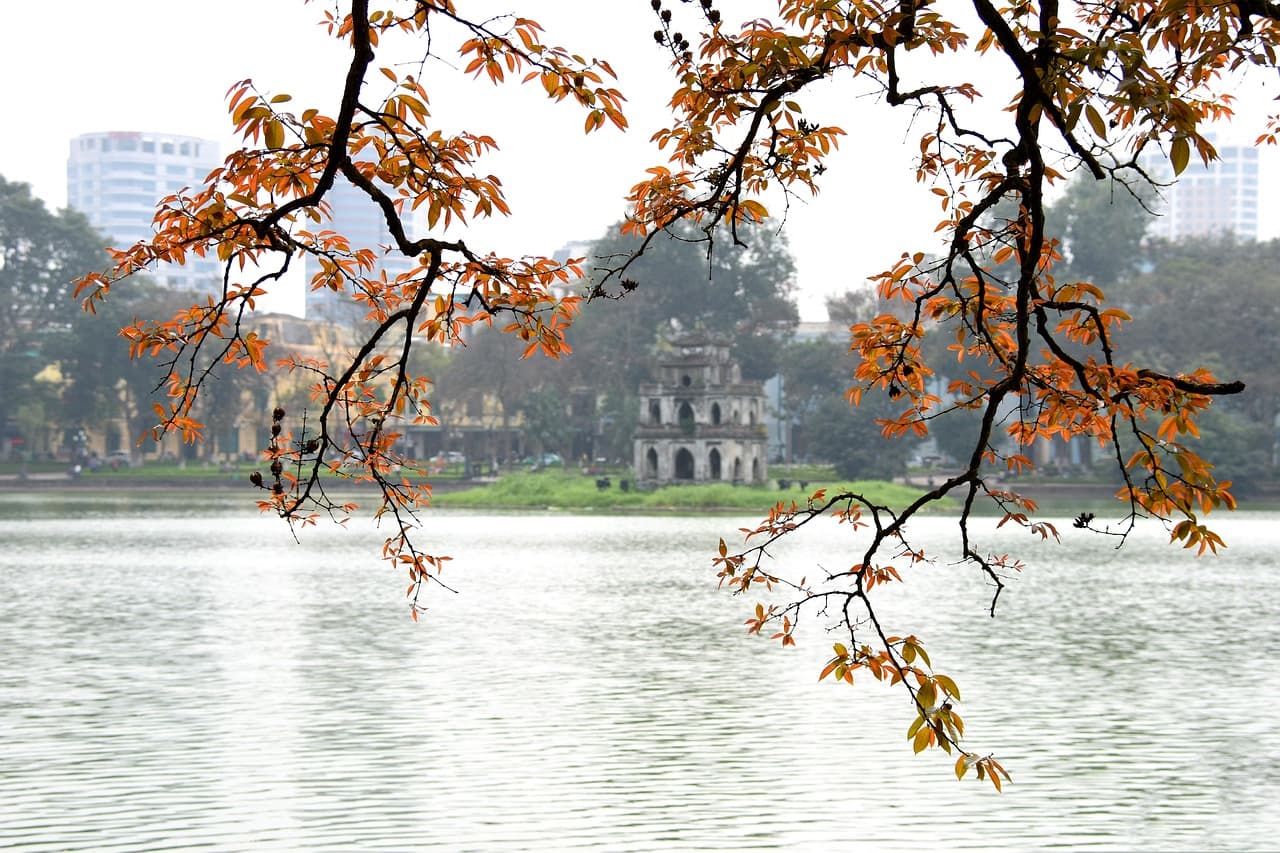
If you remember only one thing, make it this: from October to November, northern Vietnam is at its best. After a hot, humid and stormy summer, the air turns dry and crisp. In Hanoi, October days usually range between 20 and 29 °C, then roughly 17 to 25 °C in November. Rain becomes rare, humidity drops noticeably and walking around the Old Quarter or Hoàn Kiếm Lake becomes a genuine pleasure again.
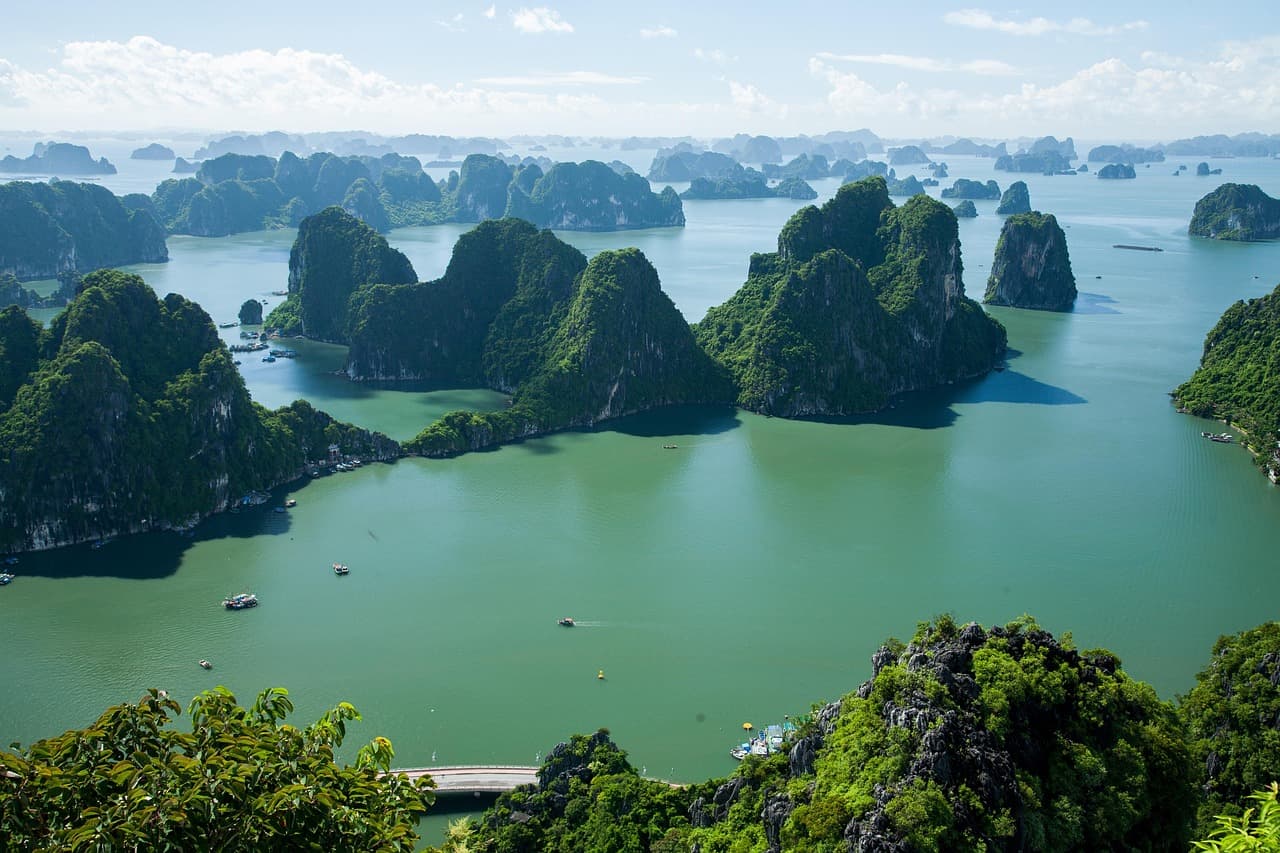
It's also an excellent time for Hạ Long Bay and Lan Hạ Bay. The sea is still pleasant, visibility is often good and the limestone karsts stand out sharply against the sky. Cruises can occasionally be cancelled because of weather alerts early in the season, but this is far rarer than in midsummer.
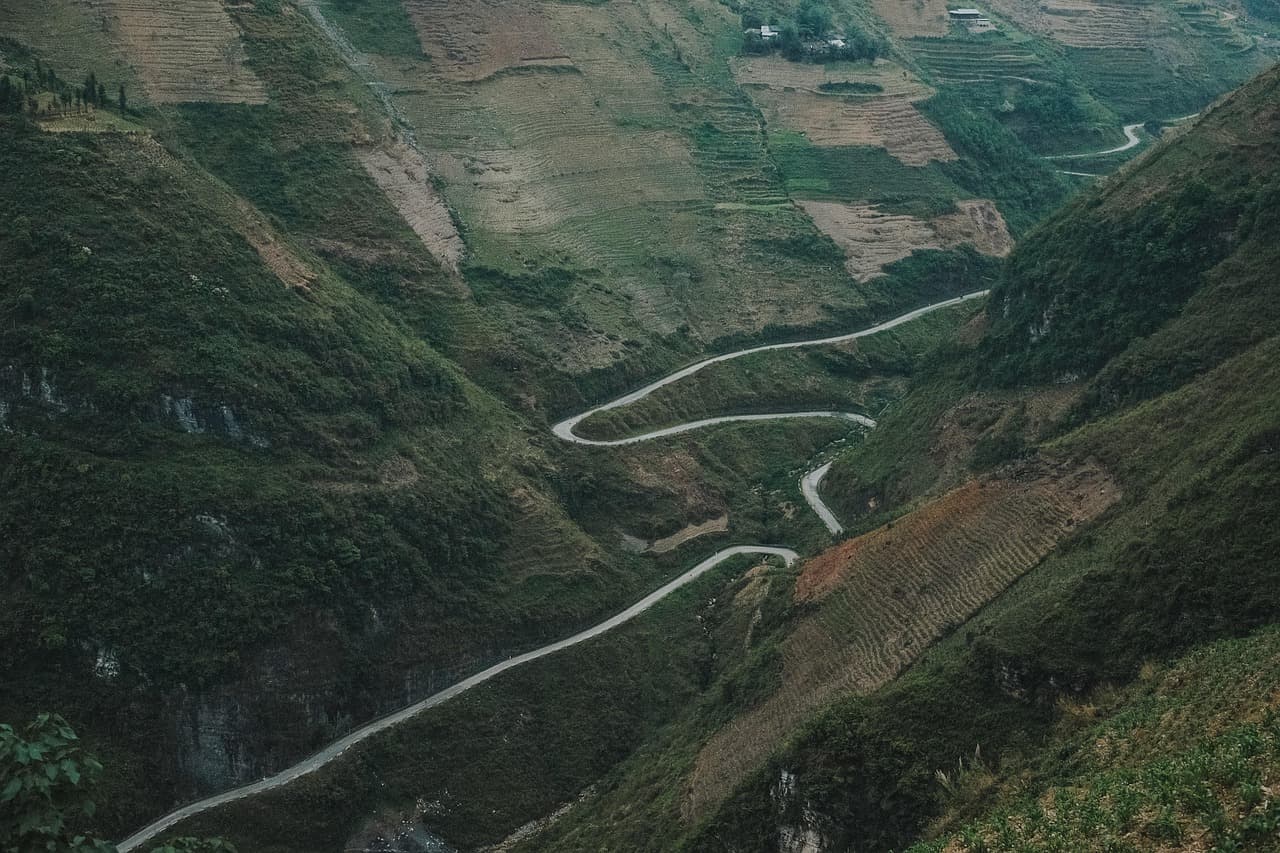
In the mountains, the season is short and precious. In early October, the last golden rice terraces are harvested in high-altitude districts such as Hoàng Su Phì, generally until mid-October depending on altitude and the year. Then buckwheat flowers (hoa tam giác mạch) take over, colouring the valleys of the Đồng Văn karst plateau pink and white from October to December. In 2026, the 12th Buckwheat Flower Festival opens on the evening of 6 November in Đồng Văn, in the former Hà Giang province, now merged into Tuyên Quang.
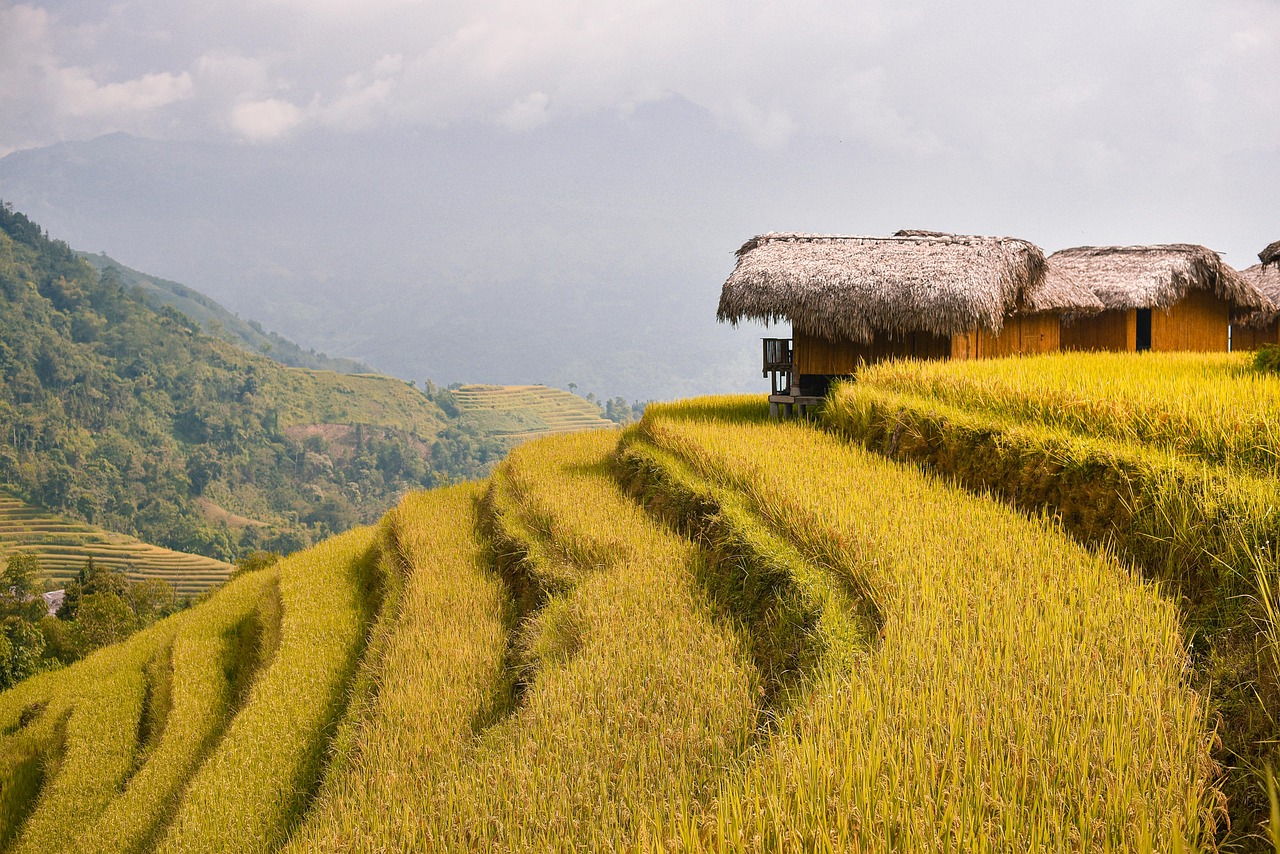
Just one thing to watch out for: the cold at altitude. In Sapa, Hà Giang or Mù Cang Chải, November nights can drop below 10 °C, and homestays are rarely heated. Nothing dramatic, but a proper jumper and a windproof jacket are not optional.
The Centre: rain, typhoons and floods to plan around
The central coast — Huế, Đà Nẵng, Hội An — follows a calendar that is the reverse of the rest of the country. Its rainy season runs from September to December, peaking in October and November, when the north-east monsoon meets the last typhoons of the season arriving from the South China Sea. The second half of October and early November are statistically the most exposed weeks.
In practice, this doesn't mean it rains non-stop. You'll often get grey mornings, heavy showers and some lovely sunny spells. But when a spell of heavy rain sets in, rivers rise very quickly. Hội An's Old Town, built on the banks of the Thu Bồn River, floods on average two or three times a season, usually between late October and mid-December. Water rises in the low-lying streets, shops lift their goods off the floor and people get around by boat where they were walking the day before. These episodes often last one to three days, but they can disrupt roads, trains and sometimes flights.
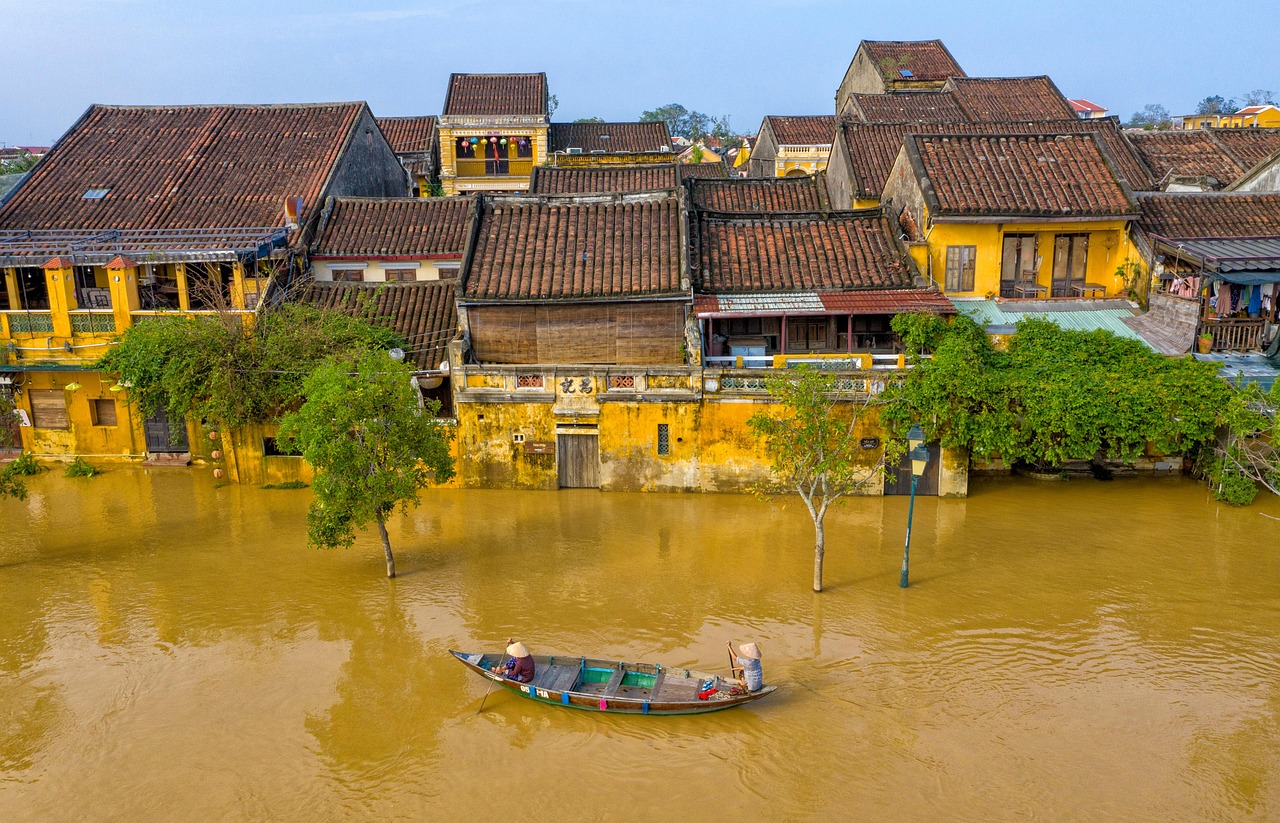
Autumn 2025 was exceptionally severe in the region, with historic floods around Huế and Hội An. For 2026, the national weather centre's seasonal outlook points to a season with less rain than average — good news, but a general trend, not a guarantee for your week of travel. Further south, Quy Nhơn, Nha Trang and the Đà Lạt highlands also have their wettest months between October and December.
"💬 VietNomads field tip
If you have your heart set on the Centre at this time of year, build in flexibility rather than dropping it. Book cancellable accommodation in Hội An and Huế, schedule these stops towards the start of your trip if you're travelling in October (before the late-month peak) and allow a buffer day before a return flight. Check the national hydro-meteorological forecasting centre's bulletins a few days before arriving: when a depression is forecast, shifting Hội An by two days is often enough to dodge the worst of it. Finally, make sure your travel insurance covers natural disasters.
The South and the Mekong Delta: the high-water season
In the South, October marks the gradual end of the rainy season. In Ho Chi Minh City, showers become shorter and less frequent, and November is already mostly dry, with temperatures of around 25 to 32 °C. It's a pleasant time to explore the city before the December high-season rush.
The Mekong Delta, meanwhile, is living a unique moment: the high-water season, which Vietnamese call mùa nước nổi (literally "the season when the water rises"). From roughly September to November, the river, swollen by rain from across Southeast Asia, spills over into upstream provinces such as An Giang and Đồng Tháp. Fields turn into lakes, boats replace motorbikes, and it's the season for freshwater fish and sesbania flowers (bông điên điển), which you'll find in every market.
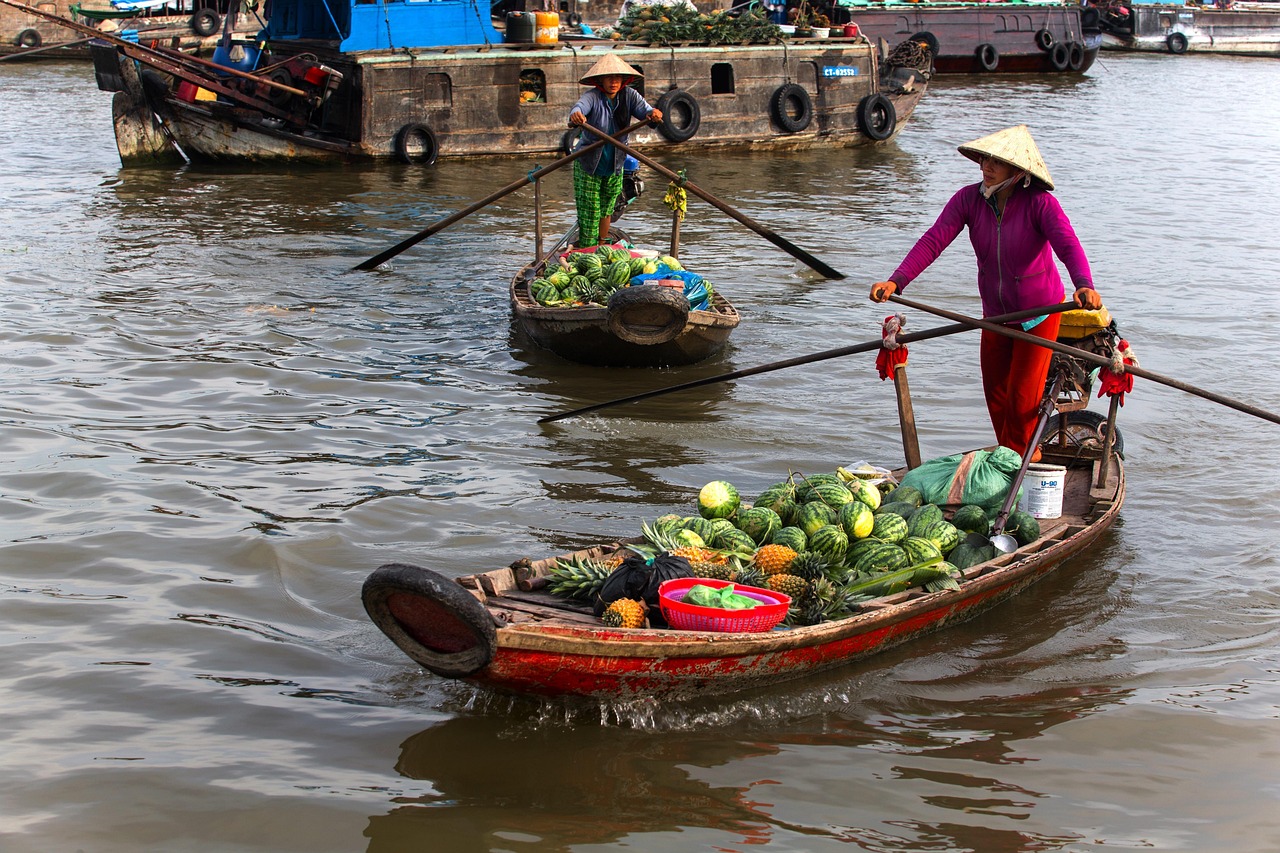
Floating markets, such as Cái Răng near Cần Thơ, are open all year round and are at their liveliest between 5 and 8 am. To experience the high-water season up close, however, you need to head further upstream, towards Châu Đốc or the Trà Sư melaleuca forest, which you explore by boat through water carpeted with green duckweed.
Phú Quốc and the southern islands: the dry season begins in November
For those dreaming of ending their trip with their toes in the sand, the calendar is simple: on Phú Quốc's west coast, the rainy season runs from May to October and the dry season begins in November. Early November is still a transition period, with a few showers, but from mid-November the sea calms down, the water turns clear again and the sunshine settles in for good until April.
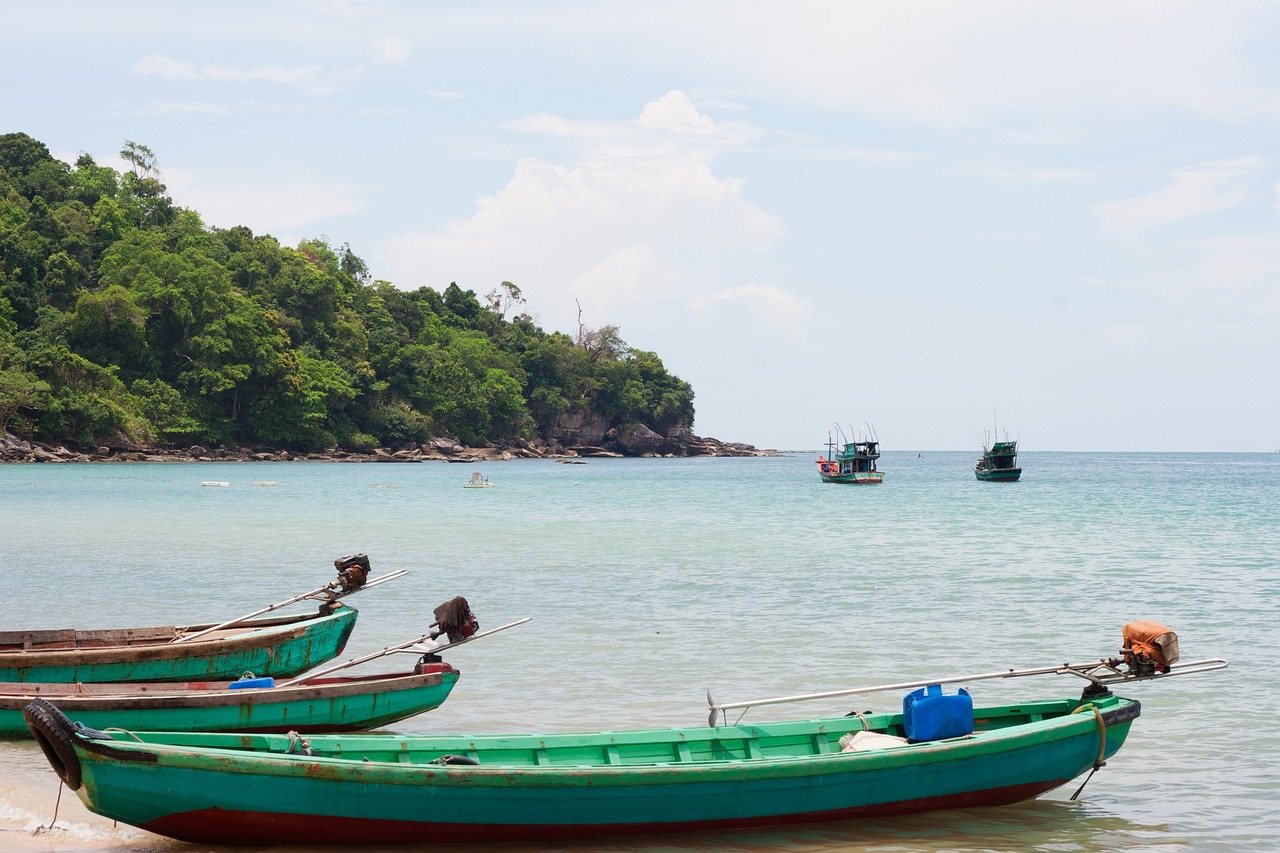
In October, Phú Quốc is still possible — prices are lower and beaches quieter — but you have to accept changeable skies and a sometimes choppy sea. If your dates are flexible, putting the islands at the very end of your trip, ideally after 15 November, is the best way to maximise your chances of good weather. On the other hand, don't count on the central coast beaches (Đà Nẵng, Nha Trang, Quy Nhơn) for swimming at this time of year.
2026 entry requirements: what has changed
Vietnam's entry rules have changed several times in recent months. Here is what travellers need to know, as of the publication date of this article:
- •French, British, German, Italian and Spanish citizens (among others): visa-free tourist stays of up to 45 days, valid until 14 March 2028. A passport valid for at least six months after your entry date is enough.
- •Belgian, Swiss, Dutch and Luxembourg citizens (among others): 45-day visa exemption since 15 August 2025, under a programme valid until 14 August 2028.
- •Canadian, American and Australian citizens: an e-visa is still required. Apply only through the official portal, evisa.gov.vn, for stays of up to 90 days, single or multiple entry. Allow a few working days for processing.
- •Stays longer than 45 days or a round trip to a neighbouring country: use the e-visa as well, even if you are visa-exempt.
Two new developments in 2026 deserve your attention. Since 15 April 2026, foreign travellers arriving at Tân Sơn Nhất International Airport (Ho Chi Minh City) must complete an online pre-arrival declaration on the official portal, prearrival.immigration.gov.vn, which generates a QR code to show at immigration. The requirement targets visa holders, but several sources also apply it to visa-exempt travellers, so the simplest approach is to fill it in regardless. In addition, a decree that came into force on 1 July 2026 allows for a health declaration at the border, but the Ministry of Health has clarified that it is not required under normal circumstances and would only be activated in a public health emergency.
"💬 VietNomads field tip
Beware of websites that imitate the official portals and charge several times the real price for the e-visa or arrival declaration: the only addresses to use end in ".gov.vn". Once you have your e-visa or QR code, take a screenshot and print a paper copy: airport wifi isn't always reliable at the exact moment you need it.
What to pack for October and November
Travelling through several climates calls for a slightly more thoughtful suitcase than in midsummer. The idea is to work in layers rather than pack more:
- •For the North: a warm jumper or light fleece, a windproof jacket and long trousers, essential for evenings in the mountains and nights in homestays. Good walking shoes if you're planning Hà Giang, Sapa or hikes around Ninh Bình.
- •For the Centre: a proper rain jacket (a disposable poncho won't survive a day of downpours), sandals that can handle water and a waterproof pouch for your phone and passport.
- •For the South and the islands: light cotton or linen clothing, sunscreen, a hat and mosquito repellent, which is particularly useful in the delta during the high-water season.
- •In all cases: an outfit covering shoulders and knees for pagodas and temples, a power bank and a digital copy of your documents.
Two itineraries suited to the season
The most effective approach in October and November is to make the most of the North, then fly south — flying over the central coast or crossing it with flexibility.
In October (2 weeks): a few days in Hanoi for the autumn atmosphere and street food, a two-day cruise in Lan Hạ or Hạ Long Bay, then the Hà Giang loop or the rice terraces of Hoàng Su Phì early in the month for the last golden terraces. Fly to Ho Chi Minh City, spend two days in the Mekong Delta at the height of the high-water season, and finish your stay in the city. If Hội An is a must, place it right after the North, at the very start of the month, with flexible bookings.
In November (2 to 3 weeks): Hanoi and Ninh Bình, then the Đồng Văn plateau for the buckwheat flower season — ideally around the 6 November festival. Back to Hanoi, fly south, two to three days in the delta, then a proper beach break on Phú Quốc after 15 November, just as the dry season sets in.
In short: should you travel to Vietnam in October or November?
Yes, as long as you travel with the weather rather than against it. October and November offer the best of the North, a rare season in the Mekong Delta and the start of the dry season on Phú Quốc, with fewer crowds and gentler prices than in December. The central coast remains the only real unknown: you can visit it, but with flexibility, good insurance and an eye on the weather bulletins.
Not sure about the order of your stops, or how much room to give the Centre for your dates? That's exactly the kind of question the VietNomads team can help you with, building a realistic itinerary suited to the season and your pace.